Tell us a little bit about yourself and where you grew up?
I grew up in Hialeah, Florida, and have spent most of my life in the Miami area. Growing up in such a culturally diverse city exposed me to many different communities, languages, and perspectives. Although Miami has always been my home, I learned early on that every neighborhood and every person carries a unique story. That awareness later became an important influence on the way I approach photography and documentary work.
When did you realize photography was something you wanted to pursue seriously?
Photography became a serious pursuit after high school when I enrolled in college to study art. At first, I focused on painting, sculpture, and three dimensional work, while photography remained one of several creative interests. As I continued my studies, however, I realized photography offered the strongest connection between observation and artistic expression. It became the medium through which I could best explore both creativity and the real world.
What inspired you to become a photographer?
Initially, I was interested in surrealism and manipulated imagery because I enjoyed creating imagined realities. As I learned more about photography, my interests shifted toward documentary work and the unexpected moments found in everyday life. I became fascinated by ordinary people, overlooked places, and small details that often reveal larger stories. Photography evolved into a way of documenting life rather than altering it, allowing me to preserve moments that might otherwise go unnoticed.
How has being a first-generation American influenced your perspective or artistic work?
I believe everyone’s experiences are personal, even though they are influenced by family, culture, and environment. Being a first-generation American shaped some of my perspective, but it does not define it completely. One of the most meaningful experiences in my artistic development was traveling to Cuba to visit the small town outside Havana where my father grew up. Seeing that environment helped me better understand my family’s history and the circumstances that shaped it. That experience deepened my appreciation for documentary photography and encouraged me to approach people and places with greater empathy.
In what ways, if any, has being part of the LGBTQ community shaped your creative voice?
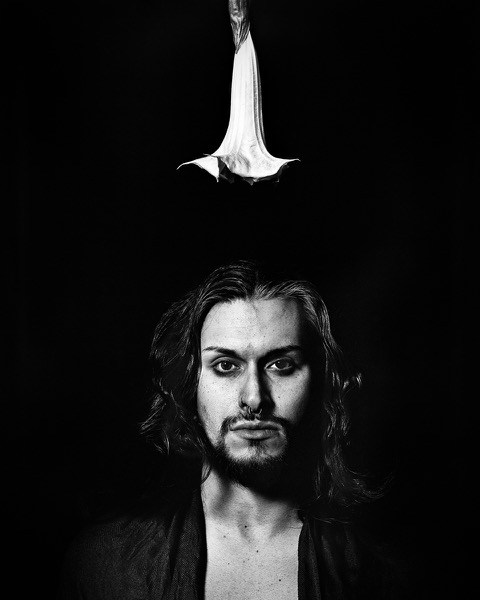
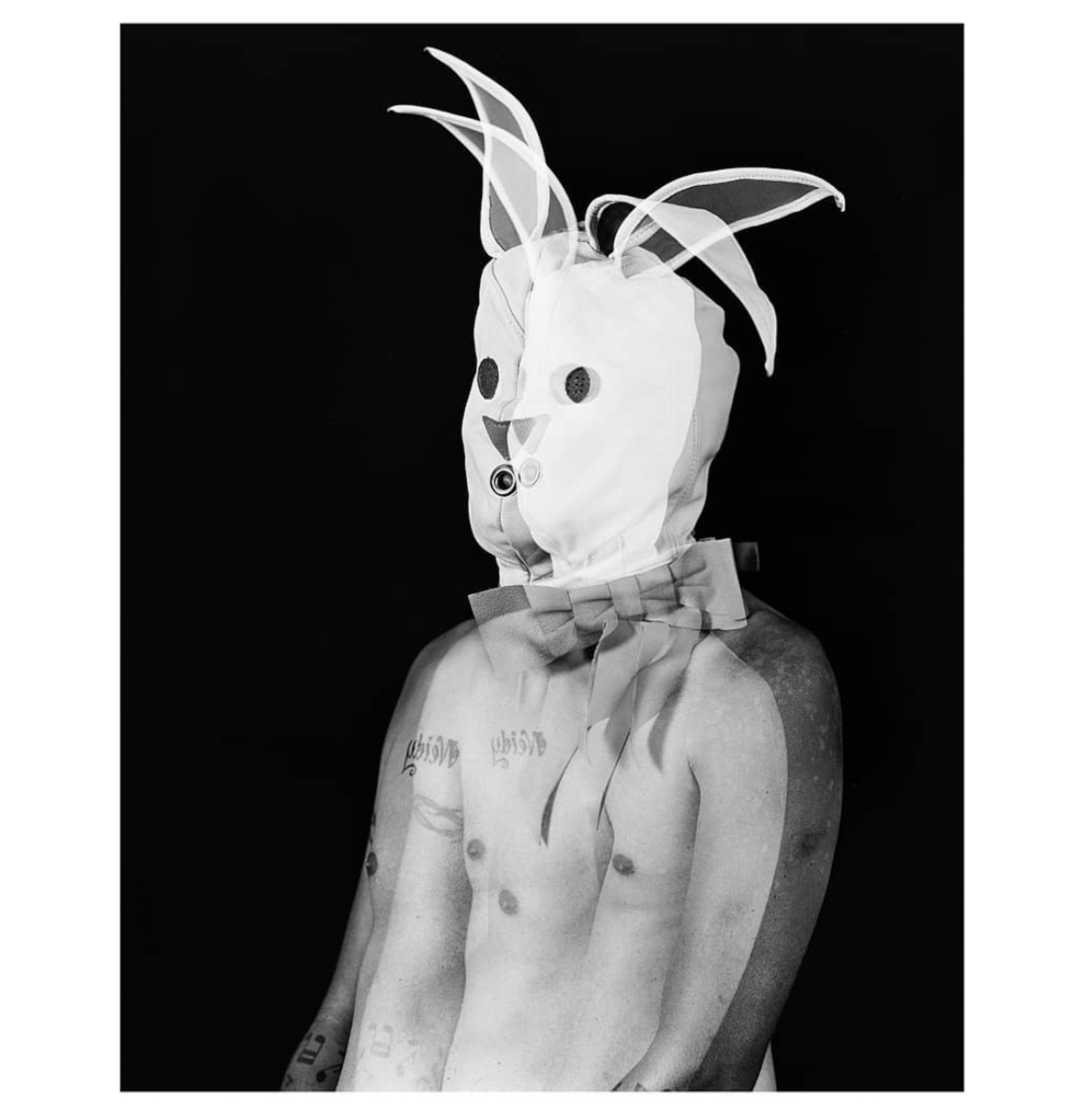
Photography teachers often encourage students to photograph what they know. Much of my early work consisted of self-portraiture, street photography, and documentary projects because they reflected my own experiences. Later, I realized there was another important part of my life that I had never photographed: the kink and fetish communities that I was part of. Rather than separating my identity from my work, I allowed photography to naturally expand into documenting those experiences. My goal has always been to represent people honestly and respectfully while showing aspects of human experience that are often misunderstood or overlooked.
Can you describe a photograph or project that is especially meaningful to you, and what is the story behind it?
One of my most meaningful projects is South from Here, a body of work created during my visit to Cuba. My father passed away when I was in fifth grade, leaving many questions about his childhood unanswered. Traveling to Cuba became a way to reconnect with that missing part of my history and better understand the place that shaped him. While photographing the people and landscapes, I was struck by the resilience of the communities despite difficult political and economic conditions. The project reflects both a personal journey of reconnecting with my family history and a broader exploration of identity, resilience, and community.
What have been some of the biggest challenges you have faced in your artistic career?
Creating photographs has never been the greatest challenge because I am constantly working and almost always carry a camera with me. The more difficult part is finding opportunities to share the work with the right audience. Artists often have to become their own promoters, and that can be challenging. While I have participated in solo and group exhibitions, I sometimes feel that Miami’s art scene favors work that is decorative or commercially appealing. My photography often addresses more complex emotional and social themes, so finding viewers and institutions that connect with that type of work has been one of the biggest obstacles in my career.
Have there been moments when you questioned your career path? What helped you continue?
There was a period when I seriously considered giving up photography. I found myself asking whether I was truly living my own life or simply documenting everyone else’s. Whenever I attended events, I was constantly thinking about composition, timing, and lighting instead of fully experiencing the moment. I eventually stopped photographing for a while so I could reflect on that question. Over time, I realized photography remained an essential part of who I am. What changed was my understanding that I needed to find a healthier balance between documenting life and participating in it. That realization renewed my commitment to photography.
How do you hope people feel when they experience your photographs?
One of the most meaningful comments I have received came from someone who said my photographs made them feel as though they were witnessing something deeply private. I appreciated that response because intimacy is something I hope viewers experience. My goal is to create images that encourage empathy rather than judgment. I want people to connect with the individuals in the photographs and recognize shared human experiences despite differences in background or circumstance. If viewers leave with a greater understanding of someone else’s life, then I feel the work has succeeded. My artistic practice also reflects my appreciation for slower photographic processes. I primarily work with analog film, including 35mm, medium format, and 4×5 large-format cameras, occasionally experimenting with glass plate photography. Unlike digital photography, analog requires careful planning, development, and scanning before the final image appears. That slower process mirrors my philosophy as a documentary photographer, encouraging careful observation and a deeper connection with the people and stories I choose to photograph.