Skip to content
Named Best Museum 2022
by Miami New Times

On the morning of 9/11 I was in my office at Marsh, Inc. in Sunrise, FL. My assistant told me that her husband was watching TV and saw a plane hit the World Trade Center. I called a colleague at the Marsh offices in midtown and he confirmed that he could see the smoke but did not know what was going on. I ran to our lobby since we had a television with a live broadcast of CNN and arrived in time to see the 2nd plane hit the South tower. I was in shock and could not believe what I was seeing.  

My next thought was that where the plane hit was where Marsh’s technology and accounting operations were located and where my cousin Tony worked. He worked on the 100th floor of the North Tower which was hit first and I knew that if he was there that morning, he was probably dead. I started to cry hysterically and ran back to my office. I called my aunt and uncle who lived on Long Island to see if they had heard from Tony. They had just woken up and had no idea what was happening. They turned on their TV to see the horror that was unfolding. My uncle said that they would check with my other cousin, Yvette since they commuted into NYC together in the morning to see what time they arrived in NY Penn Station on the Long Island Railroad.  

It was an agonizing 8 hours before I found out that Tony had been delayed at Penn Station and as a result had stopped for a coffee before taking the subway downtown to the WTC. He was coming out of the subway station when the 2nd plane hit but he had not able to communicate with his parents until later in the evening since the cell phone towers were down, he was caught in the masses of people trying to leave the area and finally, hours later, found a working payphone in Brooklyn and was able to call to say he was okay. It was a miracle that to this day I am thankful for.  

Unfortunately, on September 12, we found out that we lost 295 of our Marsh colleagues the day before. In the aftermath of tragedy, I found out 3 days later that a dear friend had died after being hit with debris from the collapse of the 1st tower. After accounting for all that were lost that tragic day, five people I personally knew (2 work colleagues, a high school buddy and a college friend) had also perished.  

It is still very hard to process all the lives that were lost that day and 25 years later, it is still something that weighs on me deeply.  

On the anniversary of 9/11, I bow my head and pray for all who were lost but I especially remember John Keohane (forever in my heart!), Salvatore “Sal” Tieri, John Tobin, Michael Cahill, Anthony Fallone, Jr., and Norman Rossinow. 

On September 11, when the second building was struck and it became painfully clear that we were under attack, I was at work. The world seemed to stop for a moment, suspended in fear and disbelief. My immediate instinct—driven by something deeper than thought—was to go get my six‑year‑old daughter from school. I had no idea whether more attacks were coming or where they might be headed, but I needed her with me. I needed to know she was safe.

When I reached the school, the atmosphere was overwhelming. The hallways were filled with parents, grandparents, and older siblings, all rushing to gather their loved ones. Tears were everywhere—on faces strained with fear, on teachers trying to maintain order, on people holding onto one another for support. The sense of panic was palpable, almost physical, thick enough to feel in the air. It was mayhem born from terror and uncertainty, and I felt myself trembling as I made my way through the crowd. As I approached my daughter’s classroom, my thoughts raced. I kept imagining her frightened, confused, maybe even crying. I wondered whether she had heard anything, whether the whispers and frantic movements around the school had reached her. And I agonized over how I would explain something so unimaginable—something I didn’t even understand myself. My hands were shaking as I reached the door. Then something extraordinary happened.

My daughter’s teacher, herself a mother with children in other classrooms, opened the door with a gentle, composed smile. It was a smile that didn’t pretend nothing was wrong, but one that reassured—one that seemed to say, “I’ve got them. They are safe.” She handed the child in front of me to her mother, calmly explaining that the students were unaware of what had occurred. Then she turned to me, meeting my frightened eyes, and said softly, “We are doing well, mommy. Make sure to stay calm.” In that moment, her presence became a lifeline.

Despite the chaos around her, she had managed to protect her first graders not only from the news, but from absorbing her own fear. She had created a small island of peace in a sea of panic, drawing on her strength and love for her students. That image of her—steady, compassionate, composed—stayed with me throughout the ordeal and has stayed with me ever since. I wrote a letter of appreciation to the Principal soon after, but no words felt large enough to capture the impact she had. Even now, many years later, I think of her with deep admiration. She is one of those people whose quiet heroism shapes the lives around them in ways they may never fully know. In the weeks and months that followed, the anxiety of that day filtered through our community like a shadow that refused to lift. My daughter began sleepwalking—a pattern that lasted for a couple of years—an echo of her body trying to process a fear she couldn’t name. Our lives changed forever in ways both visible and invisible.

Ms. Beebee remains on our list of everyday heroes. 

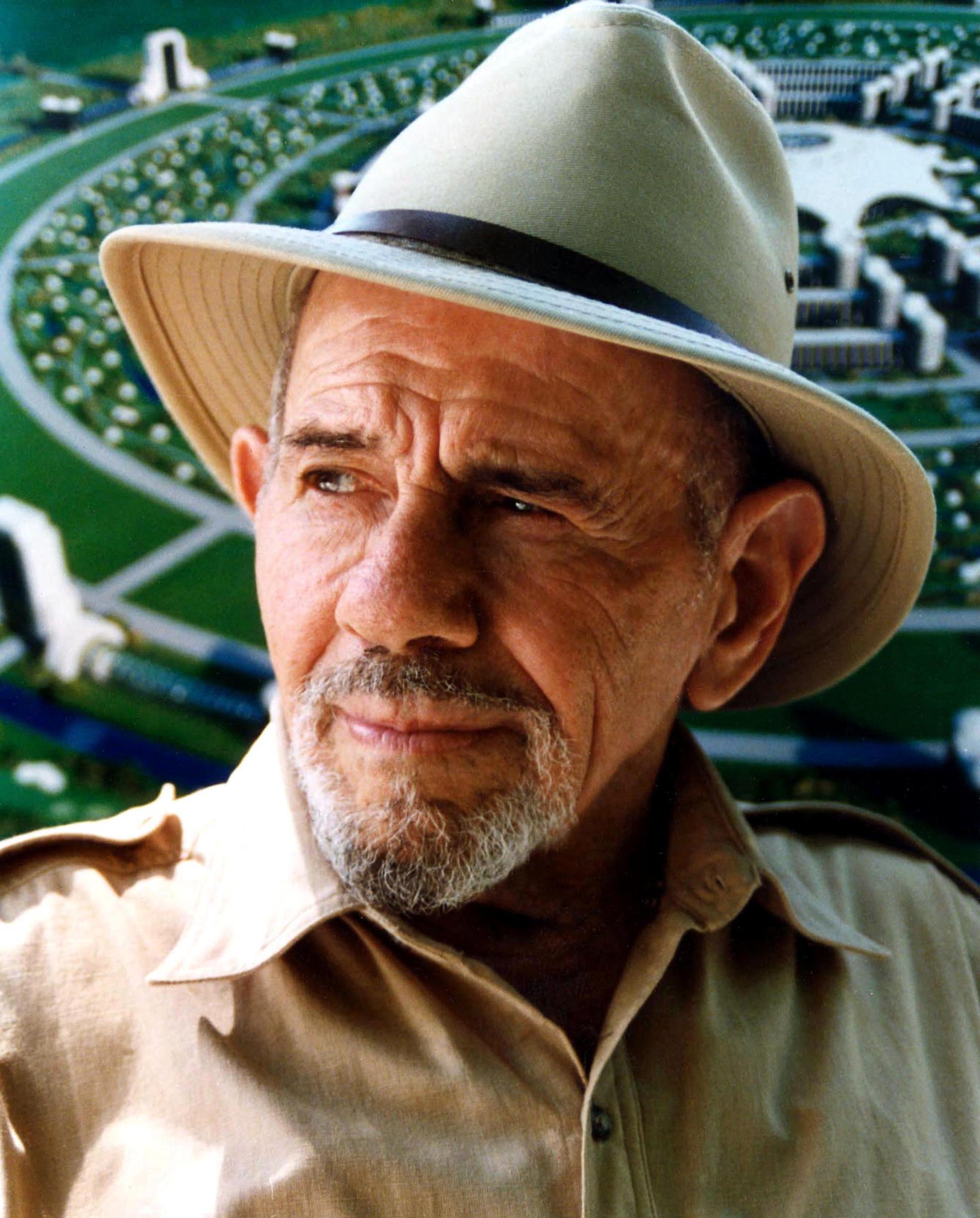
I suspect there are still many of us around who remember the man. Back in the late 1960s a friend was writing for a student publication for an institution then known as Miami Dade Junior College. He asked me if I wanted to go with him as he interviewed a man who gave lectures in his house in the evenings four days a week: Thursday, Friday, Saturday and Sunday.  

The man, according to my friend, was a futurist who talked about his vision of a coming world. His name was Jacque Fresco. We drove over together to a small tar covered house located in the Coral Gables area and knocked on the door. Out came a small, bald, rather funny looking man in his fifties, wearing a goatee beard. He gave us the once over, looked theatrically at his watch, and said “the lecture starts at 7:00.” We got the hint and left. I did return after my first abrupt meeting to attend his lecture and I attended many times after. 

Eventually I ended up renting a room in his house. Jacque, I found out, cobbled together a living by renting rooms and lecturing. We became friends. Jacque Fresco was someone who flew under the radar but was not invisible. On the days he lectured his house would fill up with a variety of local citizens. His house was a salon. Folks would come to hear him discuss his vision for the future. The attendees made up a cross section of the social stratas of Miami.  

In the Miami area Jacque was known, not widely, but known. He was interviewed a number of times by a local talk show host: Larry King. He lectured at various colleges in the area. And, of course, there were lectures four nights a week in his home. His personal vision had many names: first it was Project Americana. Then, when I first met him, it was called “Sociocyberneering.” Then eventually, named after the area where he eventually relocated,The Venus Project.  

Jacques has passed but the organization still exists today and his lectures can be found online. His vision was not of Buck Rogers and laser guns. But of cities specifically designed for and built for people. He visualized how food would be delivered and how everything would be built with no or minimum human intervention. While artificial intelligence was not explicitly on his radar I am sure implicitly it was part of what he envisioned. The old meme “a man ahead of his time” certainly fit Jacque Fresco. 

 Jacque, in his lectures, would foretell of a future time where technology would evolve to where many if not most jobs would be eliminated. It was, he insisted, where we would live in abundance. His vision was detailed and compelling and it strongly resembles the point we are currently entering. Artificial Intelligence is predicted by many to evolve. That predicted evolution reminds me of the man I knew. No doubt there are others living in Miami that remember him as well. 

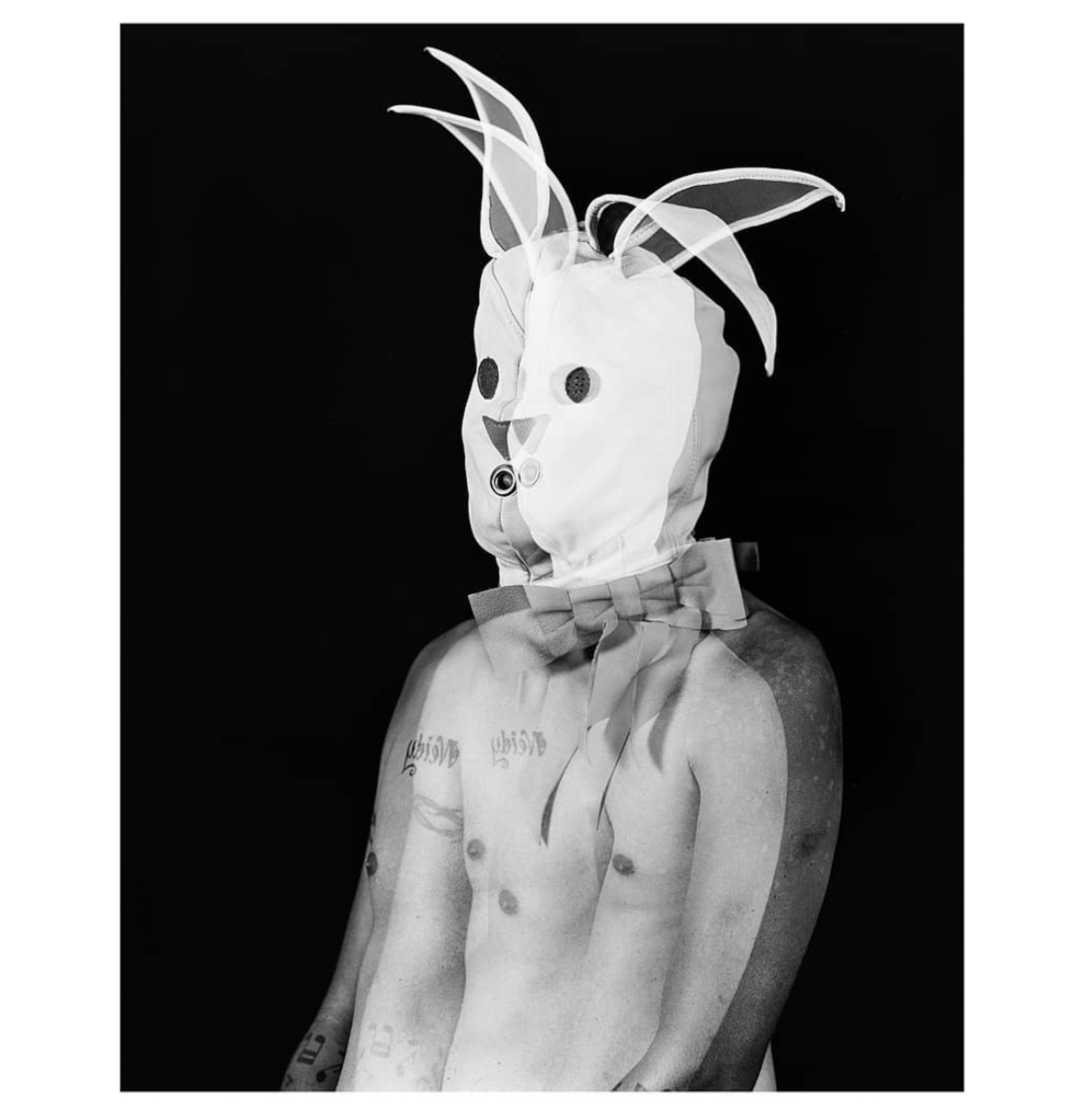
Bunny by Jess Valdivia


Tell us a little bit about yourself and where you grew up?  

I grew up in Hialeah, Florida, and have spent most of my life in the Miami area. Growing up in such a culturally diverse city exposed me to many different communities, languages, and perspectives. Although Miami has always been my home, I learned early on that every neighborhood and every person carries a unique story. That awareness later became an important influence on the way I approach photography and documentary work.  

When did you realize photography was something you wanted to pursue seriously? 

Photography became a serious pursuit after high school when I enrolled in college to study art. At first, I focused on painting, sculpture, and three dimensional work, while photography remained one of several creative interests. As I continued my studies, however, I realized photography offered the strongest connection between observation and artistic expression. It became the medium through which I could best explore both creativity and the real world.  

What inspired you to become a photographer?  

Initially, I was interested in surrealism and manipulated imagery because I enjoyed creating imagined realities. As I learned more about photography, my interests shifted toward documentary work and the unexpected moments found in everyday life. I became fascinated by ordinary people, overlooked places, and small details that often reveal larger stories. Photography evolved into a way of documenting life rather than altering it, allowing me to preserve moments that might otherwise go unnoticed.  

How has being a first-generation American influenced your perspective or artistic work?  

I believe everyone’s experiences are personal, even though they are influenced by family, culture, and environment. Being a first-generation American shaped some of my perspective, but it does not define it completely. One of the most meaningful experiences in my artistic development was traveling to Cuba to visit the small town outside Havana where my father grew up. Seeing that environment helped me better understand my family’s history and the circumstances that shaped it. That experience deepened my appreciation for documentary photography and encouraged me to approach people and places with greater empathy.  

In what ways, if any, has being part of the LGBTQ community shaped your creative voice?  

Photography teachers often encourage students to photograph what they know. Much of my early work consisted of self-portraiture, street photography, and documentary projects because they reflected my own experiences. Later, I realized there was another important part of my life that I had never photographed: the kink and fetish communities that I was part of. Rather than separating my identity from my work, I allowed photography to naturally expand into documenting those experiences. My goal has always been to represent people honestly and respectfully while showing aspects of human experience that are often misunderstood or overlooked.  

Can you describe a photograph or project that is especially meaningful to you, and what is the story behind it?  

One of my most meaningful projects is South from Here, a body of work created during my visit to Cuba. My father passed away when I was in fifth grade, leaving many questions about his childhood unanswered. Traveling to Cuba became a way to reconnect with that missing part of my history and better understand the place that shaped him. While photographing the people and landscapes, I was struck by the resilience of the communities despite difficult political and economic conditions. The project reflects both a personal journey of reconnecting with my family history and a broader exploration of identity, resilience, and community. 

 What have been some of the biggest challenges you have faced in your artistic career? 

Creating photographs has never been the greatest challenge because I am constantly working and almost always carry a camera with me. The more difficult part is finding opportunities to share the work with the right audience. Artists often have to become their own promoters, and that can be challenging. While I have participated in solo and group exhibitions, I sometimes feel that Miami’s art scene favors work that is decorative or commercially appealing. My photography often addresses more complex emotional and social themes, so finding viewers and institutions that connect with that type of work has been one of the biggest obstacles in my career.  

Have there been moments when you questioned your career path? What helped you continue?  

There was a period when I seriously considered giving up photography. I found myself asking whether I was truly living my own life or simply documenting everyone else’s. Whenever I attended events, I was constantly thinking about composition, timing, and lighting instead of fully experiencing the moment. I eventually stopped photographing for a while so I could reflect on that question. Over time, I realized photography remained an essential part of who I am. What changed was my understanding that I needed to find a healthier balance between documenting life and participating in it. That realization renewed my commitment to photography.  

How do you hope people feel when they experience your photographs?  

One of the most meaningful comments I have received came from someone who said my photographs made them feel as though they were witnessing something deeply private. I appreciated that response because intimacy is something I hope viewers experience. My goal is to create images that encourage empathy rather than judgment. I want people to connect with the individuals in the photographs and recognize shared human experiences despite differences in background or circumstance. If viewers leave with a greater understanding of someone else’s life, then I feel the work has succeeded. My artistic practice also reflects my appreciation for slower photographic processes. I primarily work with analog film, including 35mm, medium format, and 4×5 large-format cameras, occasionally experimenting with glass plate photography. Unlike digital photography, analog requires careful planning, development, and scanning before the final image appears. That slower process mirrors my philosophy as a documentary photographer, encouraging careful observation and a deeper connection with the people and stories I choose to photograph.

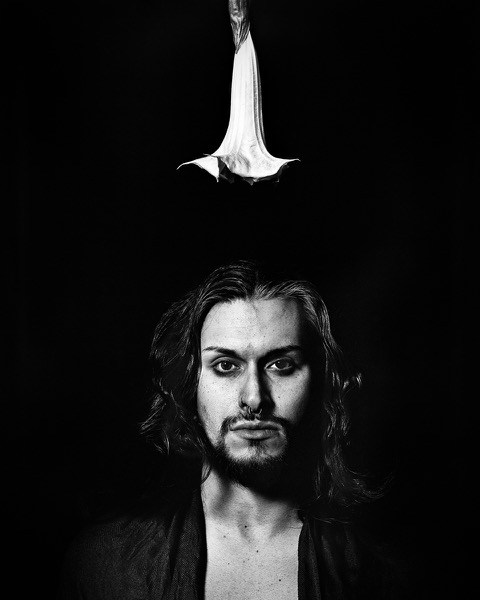
Jess Valdivia Self Portrait Angels Trumpet

El Faro

Chapotear le refrescaba y le calmaba los nervios. Ya no soportaba la inmovilidad de estar parado en atención vigilando al horizonte. La mayoría de las personas a su alrededor estaban en constante movimiento. El temor que alguien sospechara crecía con cada segundo que la dichosa lancha no aparecía. Se sentía ajeno a sus alrededores, vestido de rojo de pies a cabeza, como un arañazo. Había acatado al dedillo las instrucciones indumentarias que le dio la noche anterior su papá desde Florida. —Hasta la gorra, para que te identifiquen. A media mañana te recogen. —le dijo.

El resplandor de agosto cegaba a quien osara explorar el horizonte. Hubiera deseado tener las gafas de sol, pero las vendió semanas atrás para abastecer de comida a su niña. Gracias a sus contactos clandestinos consiguió carne, pollo y leche en polvo para unos meses. Su mujer le aseguró que estiraría todo lo más que pudiera. Se despidió bastante tranquilo. No sabía cuándo podría mandarle dinero.

Encontró a un muchacho con reloj y preguntó la hora. Mediodía. ¿Los habrán capturado en alta mar? ¿Se habrá roto la lancha? La preparación mental no acaparó tal retraso. Tampoco contempló la posibilidad de pasar otra noche sin electricidad en el infierno terrenal que se había convertido su vida, junto con la de varios millones más. “No puede ser” y se le aflojaron las piernas. Aunque el calor era insoportable no quiso darse por vencido. Asumió una vez más la posición de faro agotado y se concentró en el mar.

Un chillido no muy lejos de su posta, lo puso en alerta máxima, pero no divisó ni una aleta. Se sumaron gritos y una risa estridente le hizo comprender. Alguien había chocado con los desechos de otra persona y ahora lo usaban para jugar empujándolo con el agua en varias direcciones, siempre tratando de evitar que tocara a los unos, mientras lo empujaban hacia los otros. Así, lo mantenían en el medio de un círculo de manos frenéticas, hasta que los participantes se cansaran, o tocara a alguien, y lo dejaran continuar su viaje corriente abajo. Pensó que si todo salía bien su niña no tendría que jugar con mierda. Tendría juguetes de playa, como cualquier niña normal, en cualquier país normal. Sonrió.

Volvió a escudriñar el horizonte y la vió. Una interrupción en la línea imperfecta formada por los diferentes tonos de azul. Ahora es cuando es. Inspeccionó sus alrededores. Bullaranga playera, cada cual en lo suyo. Se ajustó la gorra. Pensó en su niña, y se encomendó a sus santos. En dos pasos largos le llegó el agua a las rodillas. Dos más pequeños y alcanzó medio muslo. Dos más y rebasó la ingle. Una ola le golpeó la cintura. Retrocedió. Trató de adelantar a zancadas. Demasiada resistencia. Optó por dar brinquitos rápidos con las manos fuera del agua. Silencio…mierda. La silueta de la lancha se perfilaba cada vez más. La algarabía explotó como una olla de presión. Se lanzó a nadar. Escuchó chapoteos y entró en pánico. Trato de bracear más rápido. Algo le tocó un pie. “No puede ser.” Mantuvo el ritmo de las brazadas 1,2,1,2. Alguien le agarró un pie y gritó— esa lancha es mía —. Tragó agua salada y ardieron sus pulmones. Escuchó una respuesta que no entendió y pateó con fuerza. Se liberó y continuó 1,2,1,2. Ya escuchaba los motores. Faltaba menos 1,2,1,2. Le dolía todo el cuerpo 1,2,1,2. Tragó agua y paró. La lancha se detuvo cerca de él. Dos hombres a bordo gritaban frenéticos para que se acercara. Flotó de cara al cielo y reanudó las brazadas 1,2,1,2. Su mano derecha chocó con la lancha. Lo agarraron por ambas muñecas y aterrizó delante del capitán. —Agárrate que nos fuimos—. Dijo dándole la espalda.

Fue difícil enderezarse con la lancha a toda velocidad. Nunca había estado en altamar. Tuvo la sensación de estar suspendido en el espacio varias horas. El color del mar no cambió mucho. Tampoco el del cielo. Notó el dolor en las manos cuando el capitán redujo la velocidad, al entrar en aguas estadounidenses y le dijo “bienvenido.” Trató de no llorar, los hombres no lloran. Se desplomó al ver tierra y se desahogó por los últimos años de penurias impuestas. El capitán le consoló con una palmada en el hombro y le dijo con ojos húmedos “ya estás en casa.” Llegó a Los Cayos de la Florida cerca de las cinco de la tarde. Su papá lo recibió vestido de blanco y azul, los colores de la Virgen de Regla, reina del mar y protectora de travesías marítimas. Lloraron abrazados por varios minutos. Los lancheros interrumpieron para cobrar su trabajo.

Su familia le sorprendió con una fiesta de bienvenida, tres mudas de ropa y un par de zapatos que le quedaron un poco ajustados. No dijo nada para no parecer malagradecido. Disfrutó por primera vez de una ducha caliente y aire acondicionado central. Fue surreal interactuar con familiares que solo conocía por fotos. Muchos de los abrazos que recibió, fueron acompañados de un billete de cien dólares y alguna variación de la frase “para que te encamines.” Nunca había visto uno, y de pronto tenía más de diez.

Se sorprendió por el exceso de comida y bebida. Hace años que no veía un cerdo. Calculó que debía pesar alrededor de setenta libras. El pellejo estaba crujiente y la carne suave. Pensó en su mujer y en su niña. No conocía varios de los platillos que sirvieron en la fiesta, y aunque probó todo, invariablemente regresó al cerdo. Se avergonzó cuando una muchacha que no conocía le dijo que dejara de vigilarlo, que no se iba a escapar. Su nombre era Estrella y también era recién llegada. Conversaron toda la noche y el próximo día lo acompañó a comprar zapatos. Se casaron un año y medio después.

No volvió a ver a su niña.

By William D. Slicker

My very dear Jewish friend, Steve Simone, had the chutzpah to die recently. In his memory, I went to Sarasota for a Jewish food festival and ate a homemade apple strudel. Steve would have liked that. While at the food festival, I read a Jewish newspaper. In the newspaper I saw an ad for Wolfie’s Restaurant in Sarasota. That brought back memories of the Wolfie’s restaurants that were popular in Florida many years ago. Those who are old enough to have lived in Florida back when Wolfie’s Restaurants were here, remember the great deli fare: a basket of fresh rolls, chicken soup, dill pickles, reubens, and thick pastrami or corned beef sandwiches.

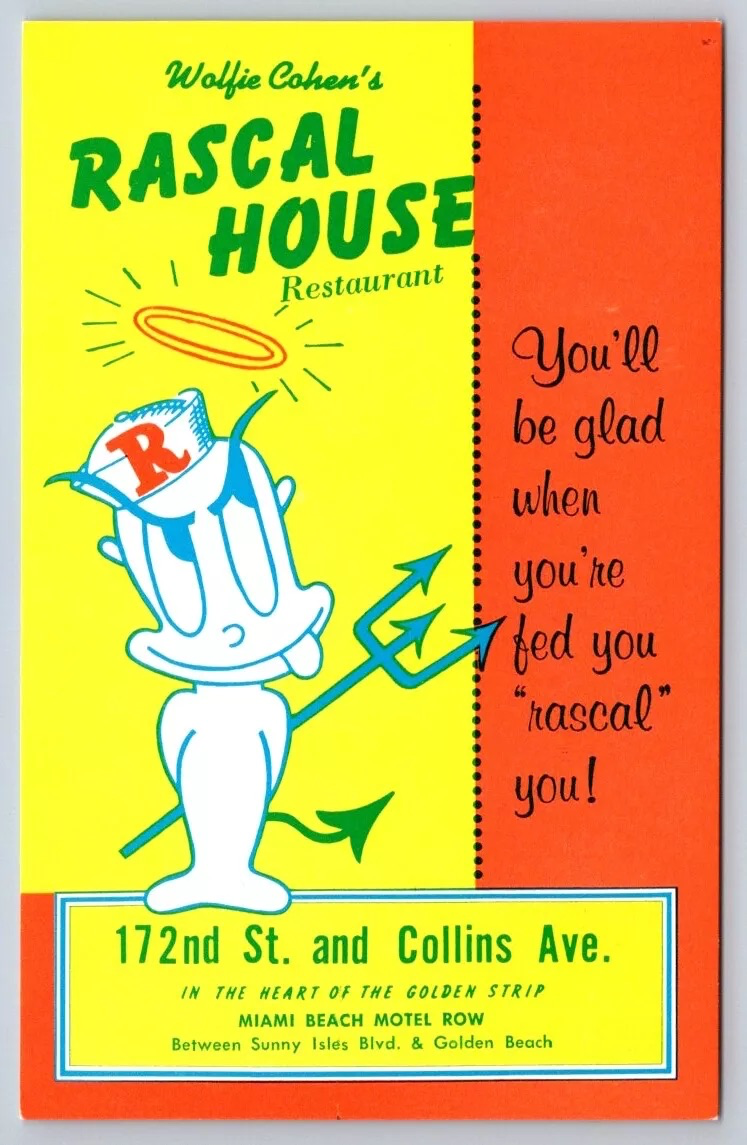
Wilfred “Wolfie” Cohen also known as The Rascal started his restaurant career as a busboy in the Catskills. He then learned the restaurant business.[1]

 In 1947, he moved to Miami, home of the largest Jewish diaspora community in the United States outside of New York City, and opened Wolfie’s restaurant on Collins and 21st Street, Miami Beach. He also opened a second Wolfie’s at Collins and Lincoln.[2]

In 1954, he opened The Rascal House on Collins and 172nd Street, North Miami Beach. It was shown in the opening street scene of the Bee Gee’s 1977 video “Night Fever.”[3] Its great food brought in the great stars. It was visited by Frank Sinatra, Jackie Gleason, Judy Garland, Clark Gable, Katherin Hepburn, and other movie and TV stars. It was also a favorite of mafia gangland financier Meyer Lanskey.[4]

For a time, several branch Wolfie’s were open. One location was in St. Petersburg in the plaza at 3200 Central Avenue.[5] Another location was Ft. Lauderdale at 2501 East Sunrise Blvd. A third was located in Cocoa Beach at 900 N. Atlantic Avenue.[6] A fourth was in Jacksonville at New Beach Blvd at Southgate Plaza.[7]

The Cocoa Beach Wolfie’s was featured in the movie Fly Me to the Moon in which Apollo engineers were shown eating there.[8]

Wolfie Cohen died in 1986. Only one of his restaurants survived him. His daughter operated The Rascal House for 10 years and then sold it. It closed in 2008.[9]

There was a short term rebirth of Wolfie Cohen’s tradition on the east coast of Florida. In 1998, Jerry’s Famous Deli opened a Rascal House at 2006 Executive Center Drive, Boca Raton, but it closed shortly afterwards[10]. Then in 2024, a Wolfie’s was opened at 251 South US 1, Suite 1, Jupiter Beach, but it is now called the SaltBird Kitchen.[11]

There is a present rebirth of Wolfie Cohen’s tradition on the West Coast of Florida. JFD Parent LLC’s CEO Jonathan Mitchell opened a Wolfie’s at 1420 Boulevard of the Arts in Sarasota in 2023 and a Wolfie’s Bakery and Take Out at 5318 Paylor Lane, Lakewood Ranch in 2024.[12]

Now with new Wolfie’s open in Florida, a new generation has the opportunity to enjoy the flavors of the Jewish deli food that made Wolfie’s famous. Steve Simone would like that.


[1] Wolfie’s and Rascal House Miami Designed Preservation League, 2022 .https://mdpl.org/archives/2020/04/wolfies-and-rascal-house/; Ingall, Marjorie, The Greatest Floridian Restaurant In the World, Tablet Magazine, (Apr. 14, 2017) https://www.tabletmag.com/sections/news/articles/the-greatest-floridian-restaurant-in-the-world

[2] Ibid

[3] Wolfie Cohen’s Rascal House, Miami Beach 1970’s Vintage Menu Art -https://vintagemenuart.com/products/wolfies-rascal-house-miami-beach-1970s?srsltid=AfmBOopp1AqLP66BBSxI2Dq2WFItMXC8KAW3GrelWAfOzBqTSr00HTWf; Kiddle Encyclopedia, Wolfie Cohen’s Rascal House Facts for Kids (Oct. 17, 2025) https://kids.kiddle.co/Wolfie_Cohen%27s_Rascal_House

[4] Wolfie’s and Rascal House, supra.

[5] Wolfie’s Restaurant Opening Set for Early December at Plaza, St. Petersburg Time (Nov. 18, 1953); Wolfie’s Restaurant https://www.flickr.com/photos/hollywoodplace/5479345908

[6] Flickr https://www.flickr.com/photos/edge_and_corner_wear/5561571826

[7] Whitaker, Jan, Famous in its Day, Wolfie’s, Restaurant-ing Through History (Mar. 27, 2011) https://restaurant-ingthroughhistory.com/2011/03/27/famous-in-its-day-wolfies/

[8] Swrup, Aahana, Fly Me To The Moon: Are Satellite Motel and Wolfie’s Restaurant Real Places, The Cinemaholic, (Aug. 15, 2024) https://thecinemaholic.com/fly-me-to-the-moon-satellite-motel-wolfies-restaurant/

[9] Wolfie’s and Rascal House, supra.

[10] Karetneck, Jan, Worth the Wait, Broward Palm Beach New Times, (Aug, 13, 1998), https://www.browardpalmbeach.com/food-drink/worth-the-wait-6336771/; Yelp, Rascal House Restaurant, Boca Raton, Florida https://www.yelp.com/biz/rascal-house-restaurant-boca-raton.

[11] Yelp, Wolfie’s-Jupiter-Florida, https://www.yelp.com/biz/wolfies-jupiter; Metrodesk Media, Jupiter Restaurant “Saltbird” Opens with Comfort, Creativity, Boca News Now (2026) https://bocanewsnow.com/new-restaurants/jupiter-restaurant-salt-bird-opens-with-comfort-creativity/

[12] The Original Wolfie’s Restaurant ,About Us https://originalwolfies.com/story; The Original Wolfie’s and Wolfie Cohen’s Rascal House, Jerry’s Deli, https://www.jerrysdeli.com; Robinson, a Taste of Tradition, Edible Sarasota, Nov. 8, 2024, https://ediblesarasota.ediblecommunities.com/about-us; Gordon, Mark,, Famous New York-Style Deli Brand Plans Big Sarasota Opening Weekend, Business Obverser, (Oct. 30, 2023) https://www.businessobserverfl.com/news/2023/oct/30/famous-new-york-style-deli-brand-plans-big-sarasota-opening-weekend/.

This entry is part of the Miami Migration Short Essay Contest. The program, created by Cátedra Vargas Llosa, was designed to engage young people in South Florida in the art of writing while reflecting on their migration experiences.

When people talk about migration, it usually sounds like something distant, something that happens to other people. For me, it’s not just a story, it’s the foundation of my life.

I was too young to understand what was really happening, absorbing the shift only through the hurried packing, the hushed adult voices, and the strange, quiet finality of the closing door. Everything changed the moment we left. I didn’t register the geopolitical reasons, only the feeling of a sudden, rootless transition. What started as something simple ended up shaping everything I grew up to know, leaving me with a unique sense of belonging that is always half here and half somewhere else.

I didn’t really understand what was happening when we left. I was eight, my sister was five, and all I cared about was the fact that I could only bring one plushie with me, my favorite bear, the one my grandpa had given me. This bear became the tiny, tangible weight of everything I was leaving behind. I thought we were going on some long vacation, maybe just a trip somewhere nice, because that’s what my parents had gently, perhaps heartbreakingly, told us. About a week before, we had gone to Ciudad Zulia to say goodbye to my grandparents on my mom’s side, and to most of her family. I didn’t question it too much back then; I just thought it was something families did before going away, a big, celebratory farewell. We packed a few clothes, said some quiet goodbyes, and got on a plane like it was nothing, our parents insisting on keeping a smile on their faces that looked a little too wide, a little too fixed. I remember posing for pictures at the connecting airports, smiling wide, clutching that bear in my arms, genuinely excited for the ‘adventure’ ahead. It was a perfect lie that my childhood self believed completely. It never crossed my mind that I wouldn’t be going back, that the simple act of boarding that plane was actually the single biggest decision of our lives.

Adjusting to life in a new country was a lot more complicated than I expected. I didn’t know the language, not really. The only background I had was a handful of songs I could mimic the sounds of and a few TV shows I half-understood. For a while, we lived with my godfather, which made everything feel even less like it was real or permanent, as if we were just squatting in someone else’s settled life, waiting for a signal to pack up again. I remember my first Christmas there being strange but warm, everything familiar and unfamiliar at the same time. Then came school, three of them, in just two years. Every time I started to get used to one, we moved again. Each move was a reset button, forcing me to learn a new bus route, a new set of faces, and a slightly different way to hide my confusion. People thought I was Mexican until not too long ago, and at first, I didn’t even know how to correct them. Somewhere in all that moving and trying to keep up, I started losing little pieces of my culture without even noticing; the language of my home became fainter as the sound of the pavement under my feet changed yet again.

I didn’t find out the real reason we left until years later. For most of my life, I just accepted the story of it being a trip that turned permanent. One day, I asked my mom why we really left, and she told me that things in Venezuela weren’t stable at the time. At first, I thought she meant the apagones, the constant power cuts, or maybe just the general instability that I’d overheard adults whispering about when they thought I wasn’t listening.

But when I pressed a little more, she finally said that some dangerous people had gotten involved with my dad’s company and that our family had started receiving death threats. She told me in such a quiet, careful voice, like she was handing me something fragile. I could tell it wasn’t something she liked remembering. I didn’t really know what to say, part of me felt like I should’ve known, and another part of me was relieved I didn’t. In that instant, the silence of my childhood wasn’t a gap; it was a wall, built by my parents to keep the darkness out. It was strange, realizing that what I’d always thought was just a move for better opportunities had actually been about survival. It made everything, every bag we packed, every goodbye, every flight connection, suddenly feel heavier, tainted with the invisible shadow of a threat I was never supposed to know existed. That smiling picture of eight-year-old me in the airport became less about adventure and more about escape.

Looking back, everything makes a little more sense now. I understand why things happened the way they did, even if I didn’t back then. I’ve lost parts of my culture, picked up new ones along the way, and learned how to balance both without letting either disappear completely. It’s a strange kind of story to grow up with, but it’s mine, and it’s made me who I am.

“The Miami Dade County Courthouse is scheduled to close soon,” the announcement read last August.  As a retired legal secretary and avid Miami history fan, I decided to visit there one last time.

Entering the Courthouse, at 73 West Flagler Street, I was flooded with memories.  Admiring its massive pillars, gold-plated elevators, checkerboard tile floors and shiny wooden benches, I took a “sentimental journey” to recall my Courthouse “duties,” which I performed from 1970s to the 21st century.

First, I visited the third floor Law Library, where I used to photocopy case law. Its glass-plated front doors were already closed to the public.  I could see stacks of packing boxes sealed and ready for moving. Next was the Clerk’s Office, where I used to file pleadings and have copies date-stamped. Aside from some evidence of the upcoming move, it looked much the same as ever.

As William Shakespeare once wrote, “All the world’s a stage and all the men and women merely players.” That is such an accurate portrayal of the Courthouse!  As we all know, there are the plaintiffs, defendants, judges, court reporters and bailiffs. But let’s not forget the other “players”  over the decades: the quadriplegic, sitting in his wheelchair at the foot of the Courthouse steps, selling caramels and bubble-gum; the double amputee, seated on a blanket on the sidewalk playing an accordion, singing “Take it to the Lord in prayer,” the elderly African-American shoe-shine man, the security guards screening and X-raying bags, and the Division of Blind Services food vendors? They, too, deserve to be remembered!

In December, 2025, the last “All rise” was exclaimed, the last gavel struck, the last jury verdict read and the Courthouse finally closed its doors to the public. (They’re still doing some packing and moving).  No one seems to know how this 100-year-old, historic building will be reincarnated: possibly a condo, or hotel or office building? Will the vultures still make their annual pilgrimage to circle the tower every winter?

But life goes on!  In January, 2026, a brand-new, gleaming Osvaldo V. Soto Miami-Dade County Courthouse, 600,000 square feet, 24 stories high, and with 46 juried courtrooms welcomed the arrival of its new tenants. Let’s pray that, in their new home, plaintiffs, defendants, judges and all other participants will be honest and fair and do what God knows is right and just.

This entry is part of the Miami Migration Short Essay Contest. The program, created by Cátedra Vargas Llosa, was designed to engage young people in South Florida in the art of writing while reflecting on their migration experiences.

The Price of a Breath

I am the final line of a story that began with a bomb. My existence is the culmination of a secret loan, a shattered bus, and a cleaver held by the hands of a scholar.

My father’s life almost ended on a Saturday morning in 1979. The air in El Salvador was thick with heat and woodsmoke. My grandfather, my grandmother, her body a vessel for my unborn father and his two young daughters squeezed onto a crowded bus. The vinyl seats were hot; the engine groaned, and the scent of warm pupusas mixed with the scent of diesel fumes. This weekly trip was their family tradition in a country being devoured by a civil war. That year, the Bloque Popular Revolucionario had begun its violent campaign, seizing churches and bombing public places to paralyze the nation with fear.

Suddenly, the bus jerked to a stop. The doors hissed open to reveal armed guerrillas. The comfortable morning sounds were replaced by sharp, terrified breaths and the words that would redefine our future, “They are going to bomb the bus.”

My grandfather did not hesitate. In a single, fluid motion born of instinct; he grabbed his daughters. His hand locked onto my grandmother’s, their grip an anchor, and he pulled them through the screaming chaos toward the light at the back. They spilled onto the dusty road, gravel sharp under their feet, and ran. They did not stop as the world behind them erupted into a fireball, their tradition erupting into a fireball of shrapnel. They ran up the mountain, my father’s heart beating a frantic, like a drum against his mother’s ribs his first lesson was that life is a sprint away from death.

That run was the final argument. To save them, my great grandmother Luisa walked into a bank in 1983. The cool, quiet air contrasted with the chaos they fled. She placed a loan against her house, the papers signing away her security for five plane tickets to Miami. She gambled her past for their future.

In Miami, another matriarch was building the foundation. My great grandmother, her hands roughened from cleaning rooms at the El Carillon hotel, her body tired from double shifts, and studying hairstyling. She wove a safety net with her exhaustion. She filed the papers, secured an apartment, and found my grandfather a job.

He arrived on a Friday, the scholar from the University of El Salvador. By Monday, he stood in the refrigerated air of Sedano’s. A butcher’s cleaver, heavy and cold, was placed in his hands. The man of numbers now earned $3.20 an hour. His net pay was five hundred and twelve dollars every two weeks to feed five souls. He would look at that number and quietly bury the dreamer inside himself forever. His silence was the price of their future.

This is what shaped my father. He saw the cleaver in his father’s scholar’s hands. He felt the absence of his sister, lost to kidney failure, a sorrow no change of country could cure. He learned that love is a silent, brutal, and beautiful sacrifice that spans generations.

The boy who learned that lesson now builds a secure world as a cybersecurity engineer. His success is not just his own. It is his family’s final, flourishing return. It is the answer to a question his father never asked.

When I look at my life, I see the bomb. I see the cleaver. I see two great grandmothers, one who gambled on her home, the other who built a new one from sweat and will. I am the last breath they fought for. And I will make it count.
This entry is part of the Miami Migration Short Essay Contest. The program, created by Cátedra Vargas Llosa, was designed to engage young people in South Florida in the art of writing while reflecting on their migration experiences.

My name is Nicole Aguiar and I am Cuban, but I was born and raised in Miami. My parents were the first people in my family who had the courage to search for a better life and immigrate to the U.S. I am grateful every day for the sacrifices that they made to give me a better life. I’ve grown up hearing the story of how my parents had to give up everything they had to escape communism. The story starts with my dad, who was a doctor in a small town called Limonar in Matanzas, Cuba.

My dad had always hated communism, he didn’t agree with the Cuban government and how they didn’t care for their citizens. He experienced it firsthand whenever he had to care for a really sick patient and he knew that he could save their life, but the hospital didn’t have the resources to do so. He would experience it when he had to care for malnourished babies, because there was no formula. He really realized how horrible communism was when my grandpa, (his father-in-law) became extremely sick with cancer, would have violent seizures, and there was nothing he could do to save him,
because the hospital could not give him the surgery he needed. My dad moved in with my mom after they got married and he always considered her family his own, especially since his own parents had passed away when he was younger.

My grandpa did eventually pass away, and life became a lot more difficult for my family. Just because my dad wasn’t a communist, they took away his job at the hospital. They also kicked my mom out of her job, because at the time she was a high school history teacher. My mom’s sister was the one that now had to support the family. My parents knew that they could not keep living like this, so they tried to escape Cuba on a motorboat in the middle of the night.

My dad was able to escape on his third try, but before that, the police had thrown rocks at him, and he got put in jail for 18 months just for trying to leave. My mom’s sister had to bail him out of jail. My mom tried to leave on a motorboat 17 times, but she would always get caught. My parents’ immigration story is also a love story, because they were separated for 3 years before my dad could make enough money to get my mom to the Mexican border. He would always send my mom money for food and necessities, tell her how much he loves her, and that they would be reunited soon.

My mom had to go on a 9-month long journey from Brazil, to Panama, to Mexico, where she eventually crossed the border. My parents were finally reunited, and they couldn’t be happier. A couple years later, I was born. My parents are my biggest inspiration. Every summer when I go to Limonar to visit the rest of my family, I hear stories about how my dad saved someone’s life, or how my mom welcomed people into their home, and just overall how much they helped their community. They truly have the most beautiful hearts, always helping everyone they can, whether its sending food or money to Cuba, or taking in a cousin that just immigrated from Cuba, they’re always happy to help. It was because of them that I learned the beauty of life, and that even when life gets hard, your family will always support you.


Translate »