Skip to content
Named Best Museum 2022
by Miami New Times
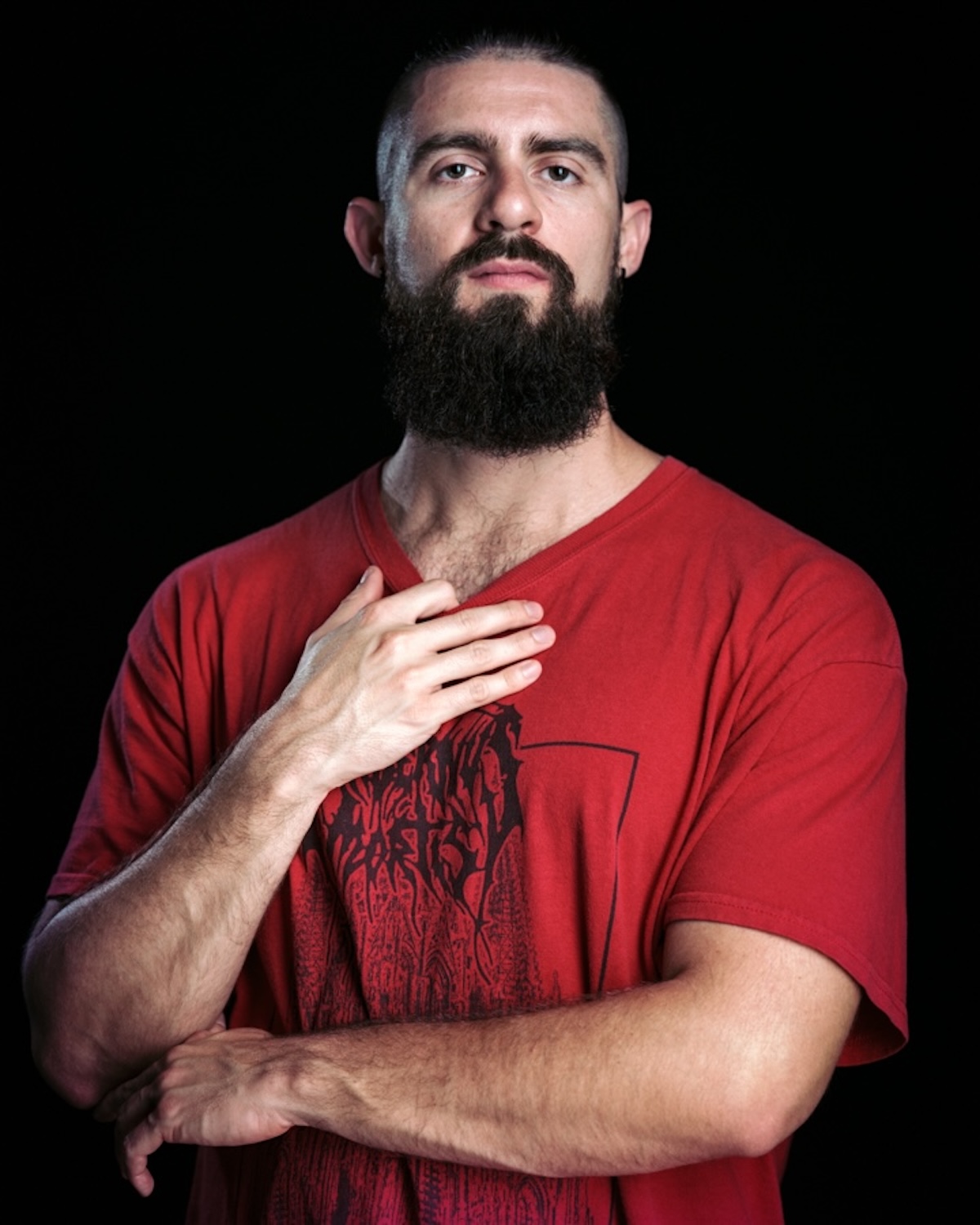
Image of Gabriel G. Perez
Photograpy credits to Jess Valdivia 2026


Tell us a little about yourself. How did your early experiences shape the person and artist you are today?  

My name is Gabriel G. Perez. I’m an artist and designer born and raised in Miami, Florida, with family roots in Chile. I create illustrations and concept art for video games, comics, cruise lines, AR/VR, and music. I currently run my own freelance studio, GGP CREATES. Since I was young, I always had paper and pencils nearby to fuel my passion for drawing. Art was my favorite subject in school, and in my free time, I read comics and fiction, watched cartoons, played video games, and drew things inspired by those interests. My parents recognized my passion for creating and encouraged me to pursue an arts education. I was fortunate to study in specialized art programs.  

When did you first realize that art illustration was something you wanted to pursue seriously?  

It was design that first opened my eyes to the possibility of pursuing art as a career. I was accepted into Design and Architecture Senior High School here in Miami, where I studied Industrial Design. Then I began applying to art and design colleges, soon I started to see the possibilities of building a career around creativity. This eventually led me to study video game design and illustration at Otis College in Los Angeles, California.  

What inspired you to become an artist, and who or what has influenced your creative journey along the way?  

The creative worlds I grew up with sparked my imagination and inspired me to create things of my own. My family has also influenced on my creative journey. On my mother’s side, many family members work in art and design, from painting and photography to graphic design. My grandfather on my dad’s side was a commercial airline pilot, but he also loved painting. Having creativity present throughout my family helped me see art as something that could be both a passion and a way of life.  

How has being a first-generation American influenced your perspective, your identity, or the way you approach your artistic practice?  

I’m the son of immigrant parents who came to the United States in their early twenties with a dream of building a better life for themselves. They arrived with little money and no family here, and their sacrifices gave me the resources and opportunities to pursue my own aspirations. As I’ve grown older, I’ve come to understand how much their journey shaped my future. It has made me appreciate the opportunity to pursue art not only as a passion, but also as a career.  

Your work moves between digital and analog forms of illustration. How does each medium allow you to express something different?  

As a working professional, digital tools such as Photoshop, 3D modeling programs, and digital tablets give me flexibility when developing ideas and making revisions. For my personal illustrations, I enjoy working with analog materials, experimenting with color and texture, and reconnecting with the joy I felt when I first started creating art. Putting pen to paper still feels like the most natural way to get an idea out of my mind and into physical form.  

Can you tell us about an illustration or project that is especially meaningful to you?  

My sketchbooks have always been my favorite place to draw. They contain the seeds of ideas that eventually become larger projects, but they also give me a space to experiment freely and have a visual dialogue with my work. Another project I’d like to highlight is the 2024 CultureFest 305 poster for the Museum of Miami. Special thanks to graphic designer Crystal Rodriguez for the opportunity. The poster was created for a folklife festival celebrating Miami’s vibrant, multicultural identity. It was a pleasure to see my work featured throughout the Miami community where I grew up.  

What have been some of the biggest challenges you have encountered as an artist, and how have those experiences influenced the way you approach your career today?  

I often find myself navigating the space between my potential and what my own mind believes I’m capable of achieving. I can be my own worst critic. I keep those doubts at bay by continuing to work on my craft, staying committed to my art, and putting myself and my work out there. I’ve also worked in corporate environments that I once thought would provide more sustainable opportunities, but experiencing a layoff made me reconsider that path and think more seriously about where I wanted my career to go. Instead of letting that uncertainty hold me back, I decided to create an opportunity of my own by starting my creative studio, GGP CREATES. It has given me a way to present myself professionally, take on freelance projects, and have more control over the direction of my creative career. The studio is still growing, but I see it as an important step toward building the independent practice I want to create  

Have there been moments when you questioned your artistic path?  

Even if I weren’t making a career out of art, it would still be part of my life. Creating is something I feel I was born to do, and I’ll probably die doing it. I experience pure bliss when it’s just me, a blank page, and my arsenal of art supplies. Before art became a career, it was something I did simply for fun. I remind myself of that every day and find joy in the process.  

What do you hope people feel, think about, or take away when they encounter your work?  

I hope people feel excited when they look at my art. It’s the same feeling I get when a piece of artwork makes me stop and take a closer look. I want my work to create that same sense of curiosity and excitement in others, something too cool to simply pass by.  

A selection of portfolio artworks from Gabriel G. Perez: https://dot.cards/ggpcreates 
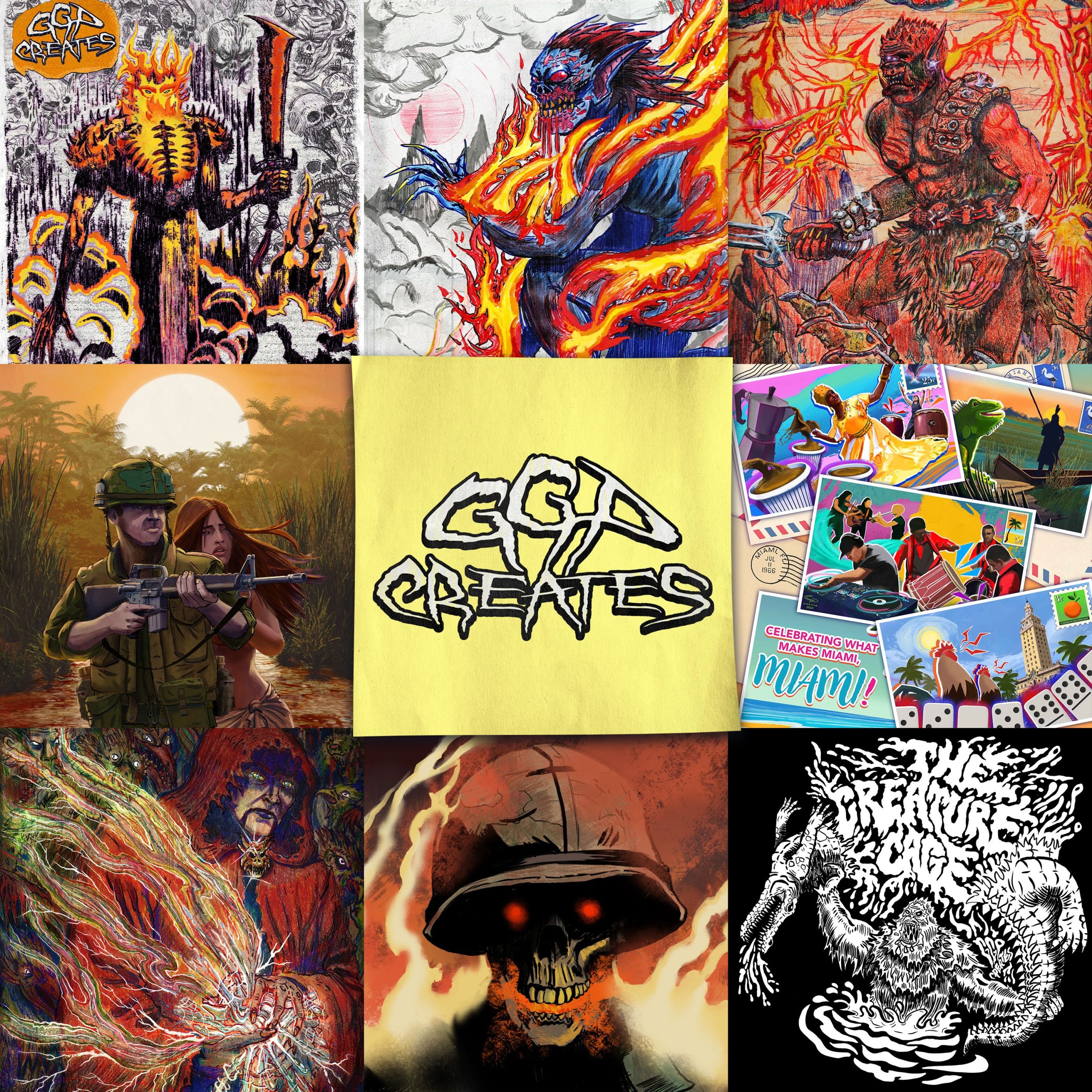
Images of Gabriel G. Perez’s artwork


I don’t think there could have been a better place for a child to grow up than Miami in the 1940s and 50s. The Depression and World War II were over and the post-war boom was in full swing. My father, Ernest R. Graham, an engineer, was forced to become a dairy farmer in 1932, after hurricanes, floods and the failure of his employer, the Pennsylvania Sugar Co.  

Soon thereafter he lost his first wife to cancer. My mother, Hilda Simmons, was a teacher who left her Pan- handle home of DeFuniak Springs because the Depression-strapped school system couldn’t pay its faculty. She met my dad on a bus to Jacksonville, where she hoped to find a job. She found romance. They married with the understanding that Hilda would raise Ernie’s three children.  

Ten months later, I was born. Shortly after my birth at University Hospital, I was taken to a two-story, coral rock house in the northwest Dade County village of Pennsuco (near Hialeah). 

Growing up on the farm was a very formative experience. I learned discipline and responsibility through my summer jobs and after school chores raising 4-H Club Holstein and Angus heifers. My love of the environment grew from the Everglades.  

For nine years, I rode a school bus to Hialeah Elementary and Junior High School (now South Hialeah Elementary). Built in the 1920s as a school for Seminole Indian children, by the war years it was home to children of working-class families and single moms whose husbands had gone to war. If you wanted a living Miami experience in democracy, few places would equal Hialeah. There was only one interruption in my nine years at Hialeah. In 1947, two back-to back hurricanes ripped through South Florida. Our home was under was under two feet of water and badly damaged. My parents sent me to live with my paternal grandmother in dad’s hometown, Croswell, Mich., while the house was being repaired. I was in sixth grade and received my first exposure to partisan politics. 

The Republican candidate for president in 1948 was Tom Dewey, a Michigan native who was popular in conservative Croswell. Our class voted: Dewey, 26, Harry Truman 1 (mine). That vote has endured as one of my proudest political moments.  

When I returned to Pennsuco, I was more aware of South Florida’s Southern lineage. During the boom years of the 1920’s, new residents from throughout the eastern United States flocked to Miami. During the Depression, Northerners found better opportunities and left. This was not true for Southerners, who for almost 30 years dominated the culture, economics and politics of Miami. 

In 1959, Adele Khoury and I were married. She grew up in Miami. We met as University of Florida students. When we returned to South Florida in 1962, it was a community undergoing unprecedented change. The first of the Social Security retires had found Miami and were fundamentally reshaping much of the eastern portion of the country. At the same time, refugees from Cuba’s communist state had begun to settle here and were legitimizing Miami as an international city. The calm, relaxed, parochial Miami of our youth had transformed into the dynamic, sometimes confounding, always exciting and passionate city of today.  

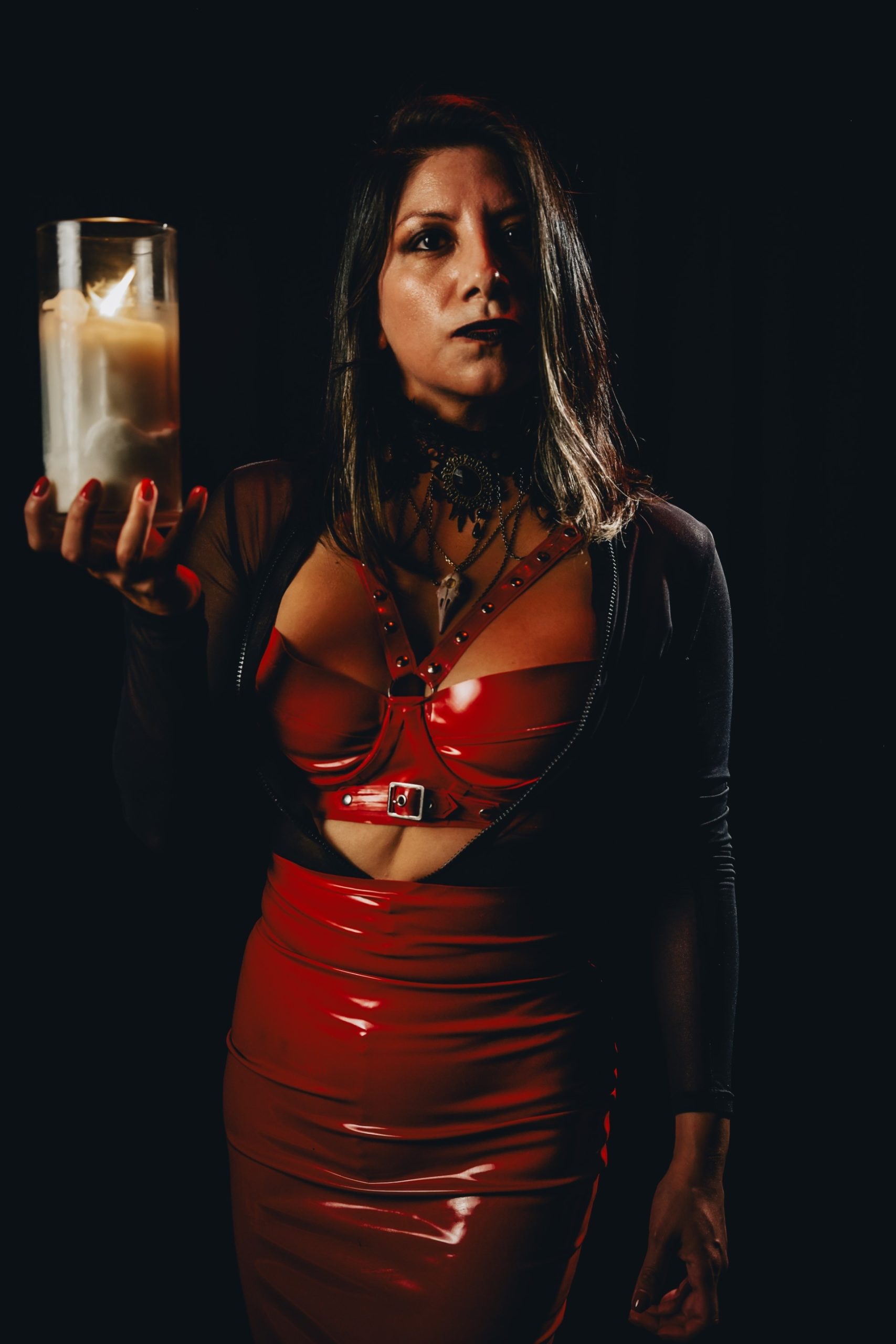
Image of Kathy D. Photography by Roberto Badillo.


Tell us a little bit about yourself and where you grew up?  

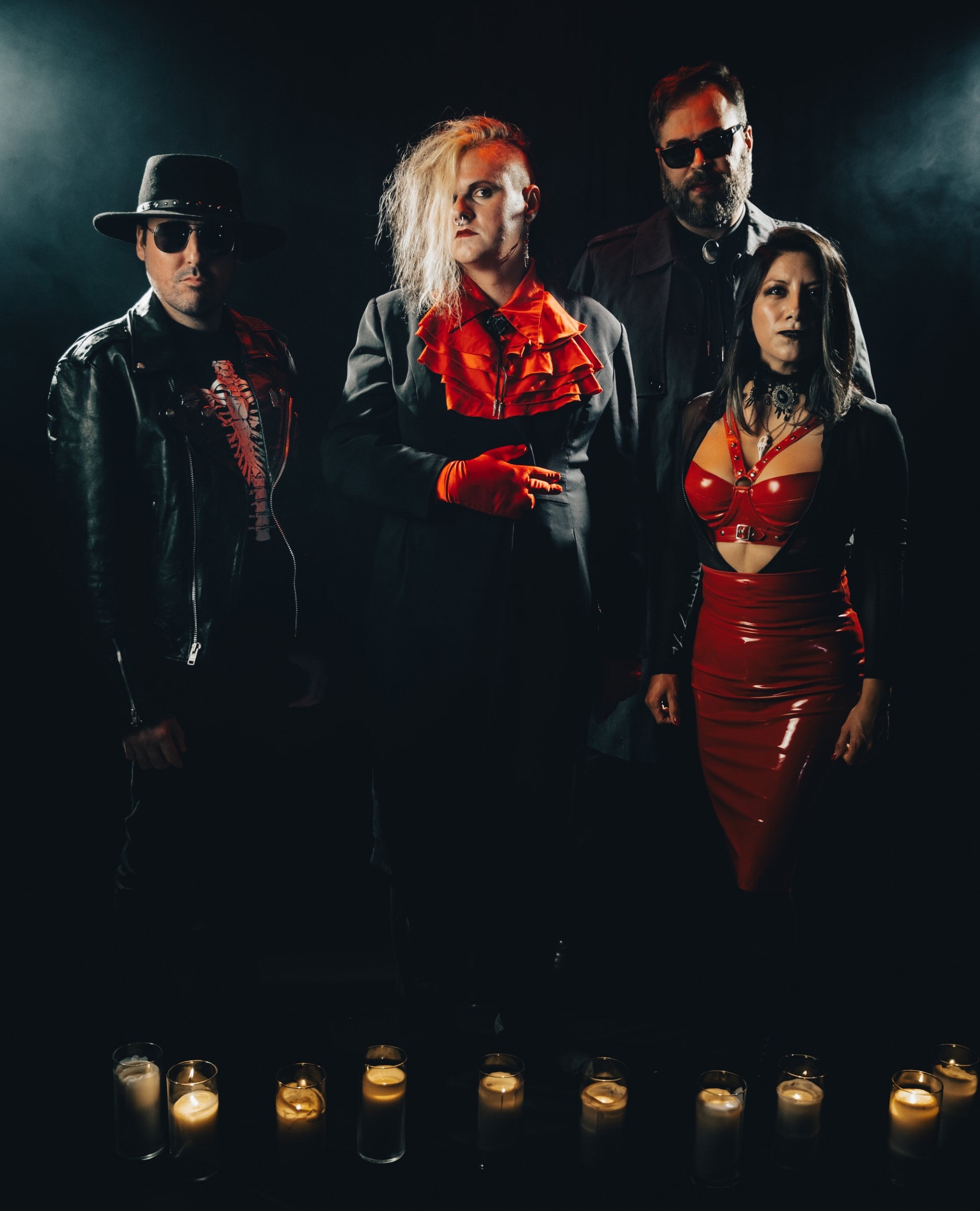
Well, to start off with, my name is Kathy D. I was born and raised in Miami, FL and I am proud to be a descendant of Peruvian immigrants, as both of my parents are from Peru. I moved out of my parent’s house at the age of 19 years old and relocated to Broward County to pursue a degree in Nursing. I became a Registered Nurse at 24 years old, and I have been working as a Telemetry Nurse for approximately 10 years now. I am also currently the keyboardist for the local goth/ post punk band, Obsidian.  

What inspired you to become a musician?

I’ve always been drawn to music, going back to my early teenage years. I remember pretending to perform concertos in front of a mirror and just having fun with it. Guitar was actually the first instrument I started learning but only took a couple of private lessons. Around the age of 14, I was introduced to the genre of Symphonic Metal and discovered the band Nightwish. I was fascinated by the band’s combination of orchestral arrangements, choir/ operatic vocals and keyboards. It eventually inspired me to learn keyboard as well. As I got older, life took me in a different direction. I focused on adulthood and building my career as a nurse. A difficult period in my personal life years later, particularly a heartbreak, became my reason for reconnecting with music again.  

When did you realize that music was something you wanted to pursue seriously?  

I joined the band Obsidian in 2019 while I was finishing my undergraduate degree. At the same time, I was going through a difficult breakup after a long-term relationship. That made me realize that music was more than only something I enjoyed listening to but something I needed to express myself emotionally. I started spending more time creating, performing, and developing my own sounds. Music had become not just a hobby for me anymore but a part of who I was becoming and who I am now. Looking back, that experience taught me a lot about resilience and self-discovery. I took a difficult chapter of my life and turned it into something creative and productive.  

How has being a first-generation American influenced your perspective or artistic work?  

It has given me perspective that is shaped by both my family’s cultural background and the environment I grew up in. I think that shows up in my artistic work because I’m drawn to blending different sounds, emotions and influences.  

In what ways, if any, has being part of the LGBTQ+ community shaped your creative voice? 

Being part of the LGBTQ+ community has given me a deeper appreciation for individuality and for creating spaces where people feel comfortable being their authentic selves. With Obsidian, I want our music to create that same feeling for people —a space where they can express themselves, feel understood, and not feel like they have to fit into a certain mold.  

Can you describe a song or project that is especially meaningful to you and share the story behind it?  

Our song “Memories” would be the most meaningful song to me. It’s in memoriam to one of friends that passed away unexpectedly. When I was composing the song, I wanted it to have a simple bassline and be more keyboard focused. I used the strings keyboard patch to create a sense of sadness, loneliness and grief. I also hold this song in a very special place in my heart because it brought back a lot of memories of when I lost my late brother. So, for many years when performing this song live, I would become emotional. My head would rush with so many memories, and I would get really sad on stage and even tear up while performing.  

What have been some of the biggest challenges you have faced in your artistic career? 

Balancing music with the responsibilities of adult life and my career as a nurse was and is the biggest challenge. There have been many periods where work required most of my attention, and music had to take a back seat. As a nurse, I worked the front lines during COVID, which was an incredibly demanding and emotionally challenging period. My focus at that time was caring for patients and supporting people through one the most difficult moments in their lives.

Have there been moments when you questioned your music career path? What helped you continue?

Absolutely! There have been times when I’ve questioned whether pursuing music was even realistic. Balancing everything that’s going on in life can be difficult sometimes. Also, working with a group isn’t always easy. There can be disagreements, strong personalities, and times when everyone has a different vision for what they want. What has kept me going was that special feeling of creating together, working towards something we all believe in and the genuine love for music.  

How do you hope people feel when they experience your music?  

I want people to feel connected. To remind them that even in their darkest or difficult moments, they’re not alone. I want them to get lost in our music and have a moment of escape. I love looking out in the crowd and seeing that we can provide a space where they can be themselves. What’s really special is that people don’t realize they provide that same safe space back to us by simply letting us perform. We make each other better! As I am ending this interview, I want to remind everyone who has supported us over the years and those who will one day see us live for the first time—That without them all, we are NOTHING. 

Image of gothic/post-punk band “Obsidian.”
Photography by Roberto Badillo.

I took a job in Miami in January 2001 and moved my family from New York City in mid-year. I was scheduled to fly out of Miami the afternoon of September 11 to Philadelphia for business when I saw on the office TV that a plane crashed into the World Trade Center. At first I thought it might be a small jet, some of which routinely departed from Newark Airport, turned north in New York harbor and followed the Hudson River up to Albany and other destinations. I had done this flight and was astonished at how close we came to the World Trade Center at the Harbor turn, and that I could see people working inside the World Trade Center offices.  

Then the second plane hit the building and I knew that this was no accident. My flight to Philadelphia was grounded, and after the third plane crashed, my office closed. I drove home and my wife and I picked up our 3 year old daughter from school. We were devastated. We both had years of history in that building: business meetings in the towers, meals and events at Windows on the World, commuting through the PATH trains, taking the E train to the Vesey Street station for various downtown activities.  

We would eventually learn that my wife’s cousin John, a NYC firefighter, was lost in the devastation. We often socialized with him and his wife before the attack. Along with his wife, he left two young children behind. Lists of victims that followed included familiar names and we have visited the onsite memorial many times. The three of us attended John’s funeral in Westchester County, also attended by Mayor Giuliani (who attended the funerals of all police and firefighters lost in the World Trade Center). 

It was a tearful, solemn affair with no body or trace of John. His widow seemed to shrink under the weight of losing her husband in a war that none of us knew we were in. We came back to New York City for the first time in November for Thanksgiving with my wife’s family. I immediately went down to the World Trade Center site and was overwhelmed by the smell of burnt matter. Dust filled the frigid air three months after the buildings fell. It was a sad and gruesome experience and I kept thinking that somewhere in that rubble was some trace of my wife’s cousin.  

I can’t say that my visit to the site provided any sense of closure. Masks were often requested of those wanting to help, and a friend of mine in Queens bought all the masks he could find and brought them to the sight for the workers. We eventually learned that many responders and volunteers digging up the rubble would develop health problems from the fumes.  

We will never get over the shock and loss, which for us is very personal, of the terror attacks on September 11, 2001. We have grieved for all the families who suffered loss that day. 

On the morning of 9/11 I was in my office at Marsh, Inc. in Sunrise, FL. My assistant told me that her husband was watching TV and saw a plane hit the World Trade Center. I called a colleague at the Marsh offices in midtown and he confirmed that he could see the smoke but did not know what was going on. I ran to our lobby since we had a television with a live broadcast of CNN and arrived in time to see the 2nd plane hit the South tower. I was in shock and could not believe what I was seeing.  

My next thought was that where the plane hit was where Marsh’s technology and accounting operations were located and where my cousin Tony worked. He worked on the 100th floor of the North Tower which was hit first and I knew that if he was there that morning, he was probably dead. I started to cry hysterically and ran back to my office. I called my aunt and uncle who lived on Long Island to see if they had heard from Tony. They had just woken up and had no idea what was happening. They turned on their TV to see the horror that was unfolding. My uncle said that they would check with my other cousin, Yvette since they commuted into NYC together in the morning to see what time they arrived in NY Penn Station on the Long Island Railroad.  

It was an agonizing 8 hours before I found out that Tony had been delayed at Penn Station and as a result had stopped for a coffee before taking the subway downtown to the WTC. He was coming out of the subway station when the 2nd plane hit but he had not able to communicate with his parents until later in the evening since the cell phone towers were down, he was caught in the masses of people trying to leave the area and finally, hours later, found a working payphone in Brooklyn and was able to call to say he was okay. It was a miracle that to this day I am thankful for.  

Unfortunately, on September 12, we found out that we lost 295 of our Marsh colleagues the day before. In the aftermath of tragedy, I found out 3 days later that a dear friend had died after being hit with debris from the collapse of the 1st tower. After accounting for all that were lost that tragic day, five people I personally knew (2 work colleagues, a high school buddy and a college friend) had also perished.  

It is still very hard to process all the lives that were lost that day and 25 years later, it is still something that weighs on me deeply.  

On the anniversary of 9/11, I bow my head and pray for all who were lost but I especially remember John Keohane (forever in my heart!), Salvatore “Sal” Tieri, John Tobin, Michael Cahill, Anthony Fallone, Jr., and Norman Rossinow. 

On September 11, when the second building was struck and it became painfully clear that we were under attack, I was at work. The world seemed to stop for a moment, suspended in fear and disbelief. My immediate instinct—driven by something deeper than thought—was to go get my six‑year‑old daughter from school. I had no idea whether more attacks were coming or where they might be headed, but I needed her with me. I needed to know she was safe.

When I reached the school, the atmosphere was overwhelming. The hallways were filled with parents, grandparents, and older siblings, all rushing to gather their loved ones. Tears were everywhere—on faces strained with fear, on teachers trying to maintain order, on people holding onto one another for support. The sense of panic was palpable, almost physical, thick enough to feel in the air. It was mayhem born from terror and uncertainty, and I felt myself trembling as I made my way through the crowd. As I approached my daughter’s classroom, my thoughts raced. I kept imagining her frightened, confused, maybe even crying. I wondered whether she had heard anything, whether the whispers and frantic movements around the school had reached her. And I agonized over how I would explain something so unimaginable—something I didn’t even understand myself. My hands were shaking as I reached the door. Then something extraordinary happened.

My daughter’s teacher, herself a mother with children in other classrooms, opened the door with a gentle, composed smile. It was a smile that didn’t pretend nothing was wrong, but one that reassured—one that seemed to say, “I’ve got them. They are safe.” She handed the child in front of me to her mother, calmly explaining that the students were unaware of what had occurred. Then she turned to me, meeting my frightened eyes, and said softly, “We are doing well, mommy. Make sure to stay calm.” In that moment, her presence became a lifeline.

Despite the chaos around her, she had managed to protect her first graders not only from the news, but from absorbing her own fear. She had created a small island of peace in a sea of panic, drawing on her strength and love for her students. That image of her—steady, compassionate, composed—stayed with me throughout the ordeal and has stayed with me ever since. I wrote a letter of appreciation to the Principal soon after, but no words felt large enough to capture the impact she had. Even now, many years later, I think of her with deep admiration. She is one of those people whose quiet heroism shapes the lives around them in ways they may never fully know. In the weeks and months that followed, the anxiety of that day filtered through our community like a shadow that refused to lift. My daughter began sleepwalking—a pattern that lasted for a couple of years—an echo of her body trying to process a fear she couldn’t name. Our lives changed forever in ways both visible and invisible.

Ms. Beebee remains on our list of everyday heroes. 

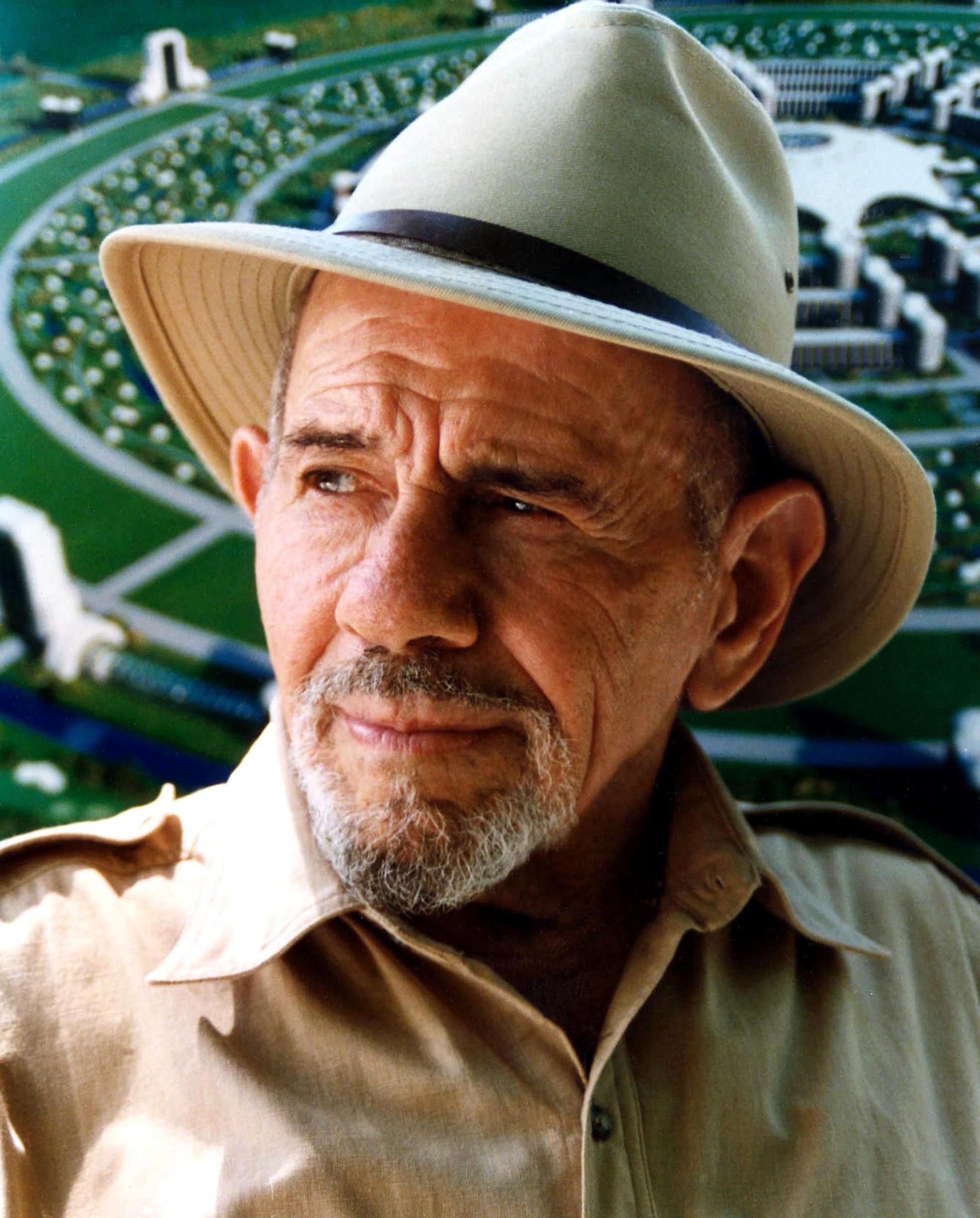
I suspect there are still many of us around who remember the man. Back in the late 1960s a friend was writing for a student publication for an institution then known as Miami Dade Junior College. He asked me if I wanted to go with him as he interviewed a man who gave lectures in his house in the evenings four days a week: Thursday, Friday, Saturday and Sunday.  

The man, according to my friend, was a futurist who talked about his vision of a coming world. His name was Jacque Fresco. We drove over together to a small tar covered house located in the Coral Gables area and knocked on the door. Out came a small, bald, rather funny looking man in his fifties, wearing a goatee beard. He gave us the once over, looked theatrically at his watch, and said “the lecture starts at 7:00.” We got the hint and left. I did return after my first abrupt meeting to attend his lecture and I attended many times after. 

Eventually I ended up renting a room in his house. Jacque, I found out, cobbled together a living by renting rooms and lecturing. We became friends. Jacque Fresco was someone who flew under the radar but was not invisible. On the days he lectured his house would fill up with a variety of local citizens. His house was a salon. Folks would come to hear him discuss his vision for the future. The attendees made up a cross section of the social stratas of Miami.  

In the Miami area Jacque was known, not widely, but known. He was interviewed a number of times by a local talk show host: Larry King. He lectured at various colleges in the area. And, of course, there were lectures four nights a week in his home. His personal vision had many names: first it was Project Americana. Then, when I first met him, it was called “Sociocyberneering.” Then eventually, named after the area where he eventually relocated,The Venus Project.  

Jacques has passed but the organization still exists today and his lectures can be found online. His vision was not of Buck Rogers and laser guns. But of cities specifically designed for and built for people. He visualized how food would be delivered and how everything would be built with no or minimum human intervention. While artificial intelligence was not explicitly on his radar I am sure implicitly it was part of what he envisioned. The old meme “a man ahead of his time” certainly fit Jacque Fresco. 

 Jacque, in his lectures, would foretell of a future time where technology would evolve to where many if not most jobs would be eliminated. It was, he insisted, where we would live in abundance. His vision was detailed and compelling and it strongly resembles the point we are currently entering. Artificial Intelligence is predicted by many to evolve. That predicted evolution reminds me of the man I knew. No doubt there are others living in Miami that remember him as well. 

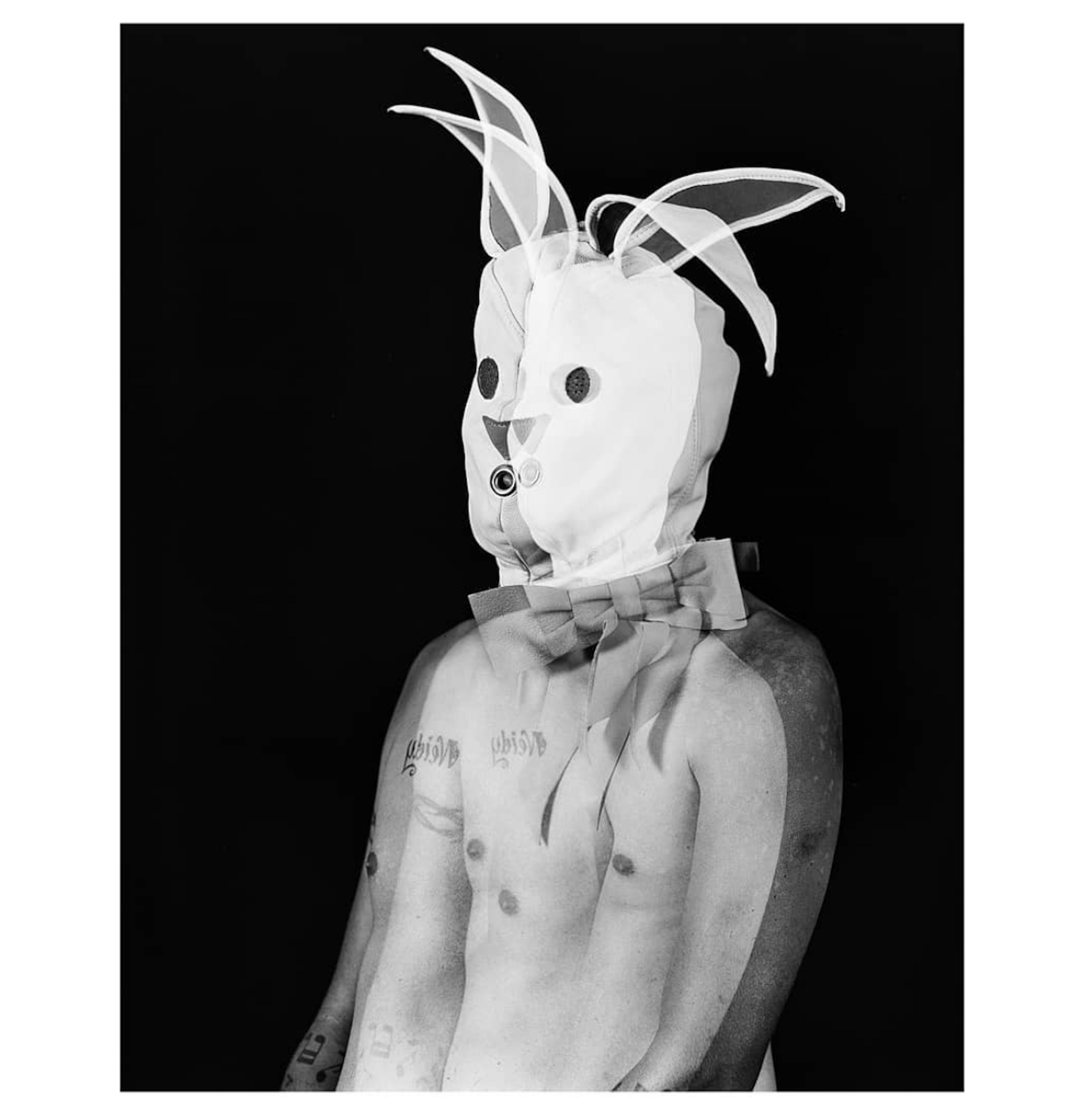
Bunny by Jess Valdivia


Tell us a little bit about yourself and where you grew up?

I grew up in Hialeah and Pembroke Pines, Florida. I eventually moved back to Miami because I prefer to be surrounded by as much diversity as possible. This gives my day today life more opportunity to be a bit more interesting.

When did you realize photography was something you wanted to pursue seriously?

There wasn’t a particular moment I decided, I just continued to take/make photographs. I was dedicated to the curiosity of how things looked when cropping the world, sometimes the stillness of a person in front of me. Documenting life different from mine, or something seemingly banal all intrigued me

What inspired you to become a photographer?

Looking back, probably my preoccupation with how quickly time slips by. As photographers we know that every photograph we take is the death of a moment, a moment preserved. It’s important for me to have something to recall a period of time, to have something physical to look at later on. You know something fascinating happens when you look at a photograph from a decade ago and wonder where has the time gone? It serves as a trigger to recall a time we may no longer think about and then we inevitably contrast it with what we know now followed by a bitter sweet feeling in your gut.

How has being a first-generation American influenced your perspective or artistic work?

In order for me to work on my South From Here series, I went down to a small town in Cuba to see where my father grew up. That experience informed me further on what life may have been for him. Fortunately, or unfortunately I still have a large number of family members that live there. I was able to witness the strength, perseverance and endurance they need to take on in order to be able to survive on the daily. You can really feel the value of friendships and family in such difficult and straining conditions. This was also the first time I was able to feel pride regarding my heritage.

In what ways, if any, has being part of the LGBTQ community shaped your creative voice?

Photography teachers often encourage students to photograph what they know. Much of my early work consisted of self-portraiture, street photography, and documentary projects because they reflected my own experiences or interactions. I realized there was another aspect of my life that I had not photographed, the kink and fetish communities I am a part of. Rather than separating my identity from my work, I allowed my interest in this to become a subject and began to document this section of my life. Mostly by photographing others who felt comfortable and at ease with me. Similarly to any Kink/Fetish scene a clear conversation of boundaries and limitations are discussed beforehand in order to step into the head space later shared with us.

Can you describe a photograph or project that is especially meaningful to you, and what is the story behind it?

One of the most meaningful projects is South From Here, a body of work created during my visit to Cuba. In particular because my relationship with my father was short lived as he transitioned or passed away when I was in fifth grade. This would later leave many questions about his childhood, adolescence and young adult life unanswered. Traveling to Cuba was an attempt to understand the place that shaped him. Not knowing if this would be fruitful or not in that regard, I flew down in 2010. As I photographed the people and landscape, I was struck by the resilience in them despite the difficult political and economic conditions. The project reflects both the search for my father’s history and to bear witness of the strength needed to carry on.

What have been some of the biggest challenges you have faced in your artistic career?

The work that dives into Kinks or Fetishes as sexuality in many societies tends to be a controversial topic when it’s anything other than heterosexual and or cis gendered. Unfortunately, we are still living in a time where people are too concern with what others do. Regardless of how people reach their conclusions. Coming across people who are not only proud of who they are but also comfortable and free enough to allow themselves to be photographed has been a particular challenge. If only humans could be more accepting of our differences. When this happens, I suspect society over all will be better off.

Have there been moments when you questioned your career path? What helped you continue?

There was a period when I seriously considered giving up photography. I found myself asking whether I was truly living my own life or simply documenting everyone else’s. Whenever I attended events, I was constantly thinking about composition, timing, and lighting instead of fully experiencing the moment. I eventually stopped photographing for a while so I could reflect on that question. Over time, I realized photography remained an essential part of who I am. What changed was my understanding that I needed to find a healthier balance between documenting life and participating in it. That realization renewed my commitment to photography.

How do you hope people feel when they experience your photographs?

One of the most meaningful comments I have received came from someone who said my photographs made them feel as though they were witnessing something deeply private. I appreciated that response because intimacy is something I hope viewer’s experience. My goal is to create or take images that encourage empathy rather than judgment. I want people to connect with the individuals in the photographs and recognize shared human experiences despite differences in background or circumstance. If viewers leave with a greater understanding of another’s life by noticing similarities to their own, then I feel the work has done something of value even if it’s just for a moment.

Find more of my work at https://www.jmvaldivia.com

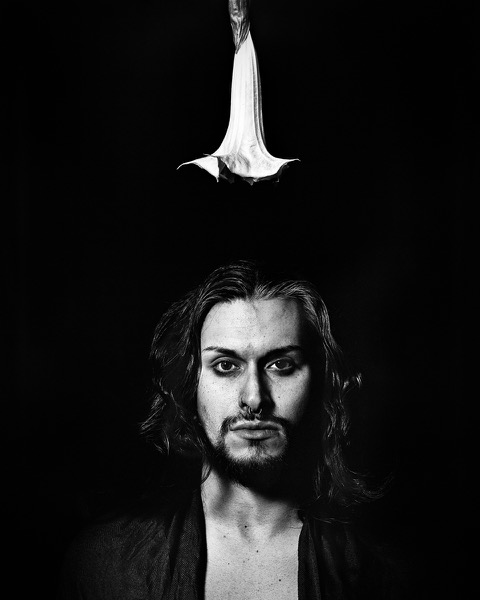
Jess Valdivia Self Portrait Angels Trumpet

El Faro

Chapotear le refrescaba y le calmaba los nervios. Ya no soportaba la inmovilidad de estar parado en atención vigilando al horizonte. La mayoría de las personas a su alrededor estaban en constante movimiento. El temor que alguien sospechara crecía con cada segundo que la dichosa lancha no aparecía. Se sentía ajeno a sus alrededores, vestido de rojo de pies a cabeza, como un arañazo. Había acatado al dedillo las instrucciones indumentarias que le dio la noche anterior su papá desde Florida. —Hasta la gorra, para que te identifiquen. A media mañana te recogen. —le dijo.

El resplandor de agosto cegaba a quien osara explorar el horizonte. Hubiera deseado tener las gafas de sol, pero las vendió semanas atrás para abastecer de comida a su niña. Gracias a sus contactos clandestinos consiguió carne, pollo y leche en polvo para unos meses. Su mujer le aseguró que estiraría todo lo más que pudiera. Se despidió bastante tranquilo. No sabía cuándo podría mandarle dinero.

Encontró a un muchacho con reloj y preguntó la hora. Mediodía. ¿Los habrán capturado en alta mar? ¿Se habrá roto la lancha? La preparación mental no acaparó tal retraso. Tampoco contempló la posibilidad de pasar otra noche sin electricidad en el infierno terrenal que se había convertido su vida, junto con la de varios millones más. “No puede ser” y se le aflojaron las piernas. Aunque el calor era insoportable no quiso darse por vencido. Asumió una vez más la posición de faro agotado y se concentró en el mar.

Un chillido no muy lejos de su posta, lo puso en alerta máxima, pero no divisó ni una aleta. Se sumaron gritos y una risa estridente le hizo comprender. Alguien había chocado con los desechos de otra persona y ahora lo usaban para jugar empujándolo con el agua en varias direcciones, siempre tratando de evitar que tocara a los unos, mientras lo empujaban hacia los otros. Así, lo mantenían en el medio de un círculo de manos frenéticas, hasta que los participantes se cansaran, o tocara a alguien, y lo dejaran continuar su viaje corriente abajo. Pensó que si todo salía bien su niña no tendría que jugar con mierda. Tendría juguetes de playa, como cualquier niña normal, en cualquier país normal. Sonrió.

Volvió a escudriñar el horizonte y la vió. Una interrupción en la línea imperfecta formada por los diferentes tonos de azul. Ahora es cuando es. Inspeccionó sus alrededores. Bullaranga playera, cada cual en lo suyo. Se ajustó la gorra. Pensó en su niña, y se encomendó a sus santos. En dos pasos largos le llegó el agua a las rodillas. Dos más pequeños y alcanzó medio muslo. Dos más y rebasó la ingle. Una ola le golpeó la cintura. Retrocedió. Trató de adelantar a zancadas. Demasiada resistencia. Optó por dar brinquitos rápidos con las manos fuera del agua. Silencio…mierda. La silueta de la lancha se perfilaba cada vez más. La algarabía explotó como una olla de presión. Se lanzó a nadar. Escuchó chapoteos y entró en pánico. Trato de bracear más rápido. Algo le tocó un pie. “No puede ser.” Mantuvo el ritmo de las brazadas 1,2,1,2. Alguien le agarró un pie y gritó— esa lancha es mía —. Tragó agua salada y ardieron sus pulmones. Escuchó una respuesta que no entendió y pateó con fuerza. Se liberó y continuó 1,2,1,2. Ya escuchaba los motores. Faltaba menos 1,2,1,2. Le dolía todo el cuerpo 1,2,1,2. Tragó agua y paró. La lancha se detuvo cerca de él. Dos hombres a bordo gritaban frenéticos para que se acercara. Flotó de cara al cielo y reanudó las brazadas 1,2,1,2. Su mano derecha chocó con la lancha. Lo agarraron por ambas muñecas y aterrizó delante del capitán. —Agárrate que nos fuimos—. Dijo dándole la espalda.

Fue difícil enderezarse con la lancha a toda velocidad. Nunca había estado en altamar. Tuvo la sensación de estar suspendido en el espacio varias horas. El color del mar no cambió mucho. Tampoco el del cielo. Notó el dolor en las manos cuando el capitán redujo la velocidad, al entrar en aguas estadounidenses y le dijo “bienvenido.” Trató de no llorar, los hombres no lloran. Se desplomó al ver tierra y se desahogó por los últimos años de penurias impuestas. El capitán le consoló con una palmada en el hombro y le dijo con ojos húmedos “ya estás en casa.” Llegó a Los Cayos de la Florida cerca de las cinco de la tarde. Su papá lo recibió vestido de blanco y azul, los colores de la Virgen de Regla, reina del mar y protectora de travesías marítimas. Lloraron abrazados por varios minutos. Los lancheros interrumpieron para cobrar su trabajo.

Su familia le sorprendió con una fiesta de bienvenida, tres mudas de ropa y un par de zapatos que le quedaron un poco ajustados. No dijo nada para no parecer malagradecido. Disfrutó por primera vez de una ducha caliente y aire acondicionado central. Fue surreal interactuar con familiares que solo conocía por fotos. Muchos de los abrazos que recibió, fueron acompañados de un billete de cien dólares y alguna variación de la frase “para que te encamines.” Nunca había visto uno, y de pronto tenía más de diez.

Se sorprendió por el exceso de comida y bebida. Hace años que no veía un cerdo. Calculó que debía pesar alrededor de setenta libras. El pellejo estaba crujiente y la carne suave. Pensó en su mujer y en su niña. No conocía varios de los platillos que sirvieron en la fiesta, y aunque probó todo, invariablemente regresó al cerdo. Se avergonzó cuando una muchacha que no conocía le dijo que dejara de vigilarlo, que no se iba a escapar. Su nombre era Estrella y también era recién llegada. Conversaron toda la noche y el próximo día lo acompañó a comprar zapatos. Se casaron un año y medio después.

No volvió a ver a su niña.

By William D. Slicker

My very dear Jewish friend, Steve Simone, had the chutzpah to die recently. In his memory, I went to Sarasota for a Jewish food festival and ate a homemade apple strudel. Steve would have liked that. While at the food festival, I read a Jewish newspaper. In the newspaper I saw an ad for Wolfie’s Restaurant in Sarasota. That brought back memories of the Wolfie’s restaurants that were popular in Florida many years ago. Those who are old enough to have lived in Florida back when Wolfie’s Restaurants were here, remember the great deli fare: a basket of fresh rolls, chicken soup, dill pickles, reubens, and thick pastrami or corned beef sandwiches.

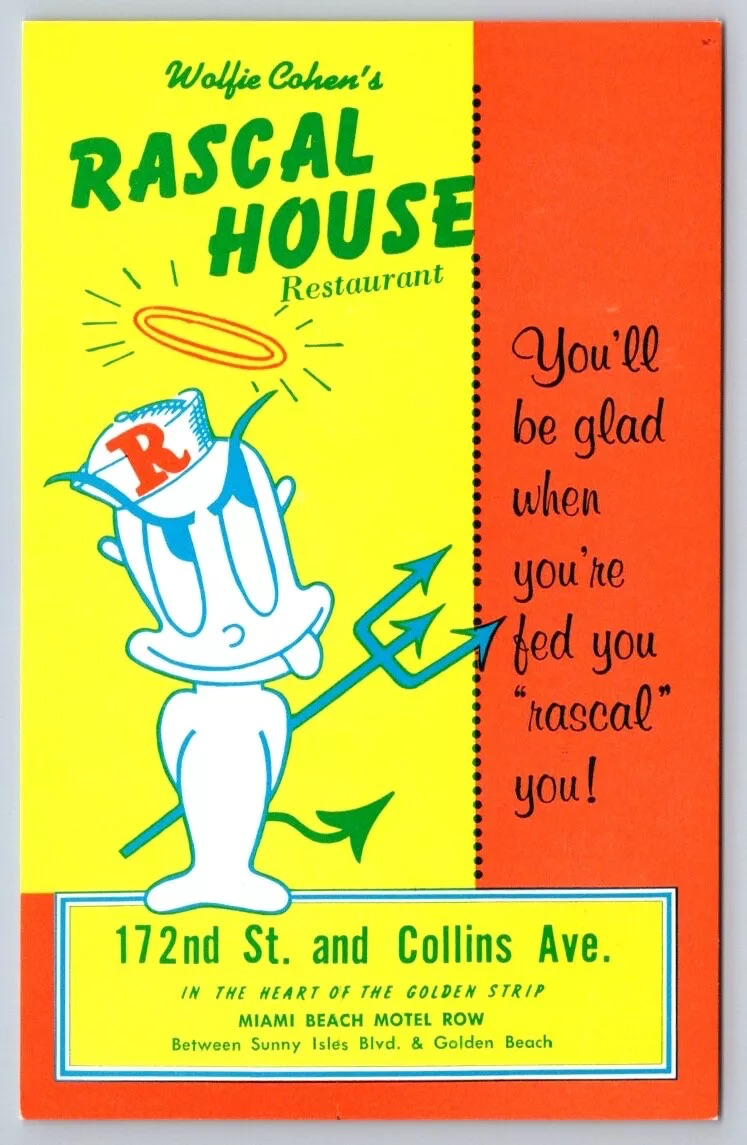
Wilfred “Wolfie” Cohen also known as The Rascal started his restaurant career as a busboy in the Catskills. He then learned the restaurant business.[1]

 In 1947, he moved to Miami, home of the largest Jewish diaspora community in the United States outside of New York City, and opened Wolfie’s restaurant on Collins and 21st Street, Miami Beach. He also opened a second Wolfie’s at Collins and Lincoln.[2]

In 1954, he opened The Rascal House on Collins and 172nd Street, North Miami Beach. It was shown in the opening street scene of the Bee Gee’s 1977 video “Night Fever.”[3] Its great food brought in the great stars. It was visited by Frank Sinatra, Jackie Gleason, Judy Garland, Clark Gable, Katherin Hepburn, and other movie and TV stars. It was also a favorite of mafia gangland financier Meyer Lanskey.[4]

For a time, several branch Wolfie’s were open. One location was in St. Petersburg in the plaza at 3200 Central Avenue.[5] Another location was Ft. Lauderdale at 2501 East Sunrise Blvd. A third was located in Cocoa Beach at 900 N. Atlantic Avenue.[6] A fourth was in Jacksonville at New Beach Blvd at Southgate Plaza.[7]

The Cocoa Beach Wolfie’s was featured in the movie Fly Me to the Moon in which Apollo engineers were shown eating there.[8]

Wolfie Cohen died in 1986. Only one of his restaurants survived him. His daughter operated The Rascal House for 10 years and then sold it. It closed in 2008.[9]

There was a short term rebirth of Wolfie Cohen’s tradition on the east coast of Florida. In 1998, Jerry’s Famous Deli opened a Rascal House at 2006 Executive Center Drive, Boca Raton, but it closed shortly afterwards[10]. Then in 2024, a Wolfie’s was opened at 251 South US 1, Suite 1, Jupiter Beach, but it is now called the SaltBird Kitchen.[11]

There is a present rebirth of Wolfie Cohen’s tradition on the West Coast of Florida. JFD Parent LLC’s CEO Jonathan Mitchell opened a Wolfie’s at 1420 Boulevard of the Arts in Sarasota in 2023 and a Wolfie’s Bakery and Take Out at 5318 Paylor Lane, Lakewood Ranch in 2024.[12]

Now with new Wolfie’s open in Florida, a new generation has the opportunity to enjoy the flavors of the Jewish deli food that made Wolfie’s famous. Steve Simone would like that.


[1] Wolfie’s and Rascal House Miami Designed Preservation League, 2022 .https://mdpl.org/archives/2020/04/wolfies-and-rascal-house/; Ingall, Marjorie, The Greatest Floridian Restaurant In the World, Tablet Magazine, (Apr. 14, 2017) https://www.tabletmag.com/sections/news/articles/the-greatest-floridian-restaurant-in-the-world

[2] Ibid

[3] Wolfie Cohen’s Rascal House, Miami Beach 1970’s Vintage Menu Art -https://vintagemenuart.com/products/wolfies-rascal-house-miami-beach-1970s?srsltid=AfmBOopp1AqLP66BBSxI2Dq2WFItMXC8KAW3GrelWAfOzBqTSr00HTWf; Kiddle Encyclopedia, Wolfie Cohen’s Rascal House Facts for Kids (Oct. 17, 2025) https://kids.kiddle.co/Wolfie_Cohen%27s_Rascal_House

[4] Wolfie’s and Rascal House, supra.

[5] Wolfie’s Restaurant Opening Set for Early December at Plaza, St. Petersburg Time (Nov. 18, 1953); Wolfie’s Restaurant https://www.flickr.com/photos/hollywoodplace/5479345908

[6] Flickr https://www.flickr.com/photos/edge_and_corner_wear/5561571826

[7] Whitaker, Jan, Famous in its Day, Wolfie’s, Restaurant-ing Through History (Mar. 27, 2011) https://restaurant-ingthroughhistory.com/2011/03/27/famous-in-its-day-wolfies/

[8] Swrup, Aahana, Fly Me To The Moon: Are Satellite Motel and Wolfie’s Restaurant Real Places, The Cinemaholic, (Aug. 15, 2024) https://thecinemaholic.com/fly-me-to-the-moon-satellite-motel-wolfies-restaurant/

[9] Wolfie’s and Rascal House, supra.

[10] Karetneck, Jan, Worth the Wait, Broward Palm Beach New Times, (Aug, 13, 1998), https://www.browardpalmbeach.com/food-drink/worth-the-wait-6336771/; Yelp, Rascal House Restaurant, Boca Raton, Florida https://www.yelp.com/biz/rascal-house-restaurant-boca-raton.

[11] Yelp, Wolfie’s-Jupiter-Florida, https://www.yelp.com/biz/wolfies-jupiter; Metrodesk Media, Jupiter Restaurant “Saltbird” Opens with Comfort, Creativity, Boca News Now (2026) https://bocanewsnow.com/new-restaurants/jupiter-restaurant-salt-bird-opens-with-comfort-creativity/

[12] The Original Wolfie’s Restaurant ,About Us https://originalwolfies.com/story; The Original Wolfie’s and Wolfie Cohen’s Rascal House, Jerry’s Deli, https://www.jerrysdeli.com; Robinson, a Taste of Tradition, Edible Sarasota, Nov. 8, 2024, https://ediblesarasota.ediblecommunities.com/about-us; Gordon, Mark,, Famous New York-Style Deli Brand Plans Big Sarasota Opening Weekend, Business Obverser, (Oct. 30, 2023) https://www.businessobserverfl.com/news/2023/oct/30/famous-new-york-style-deli-brand-plans-big-sarasota-opening-weekend/.

Translate »